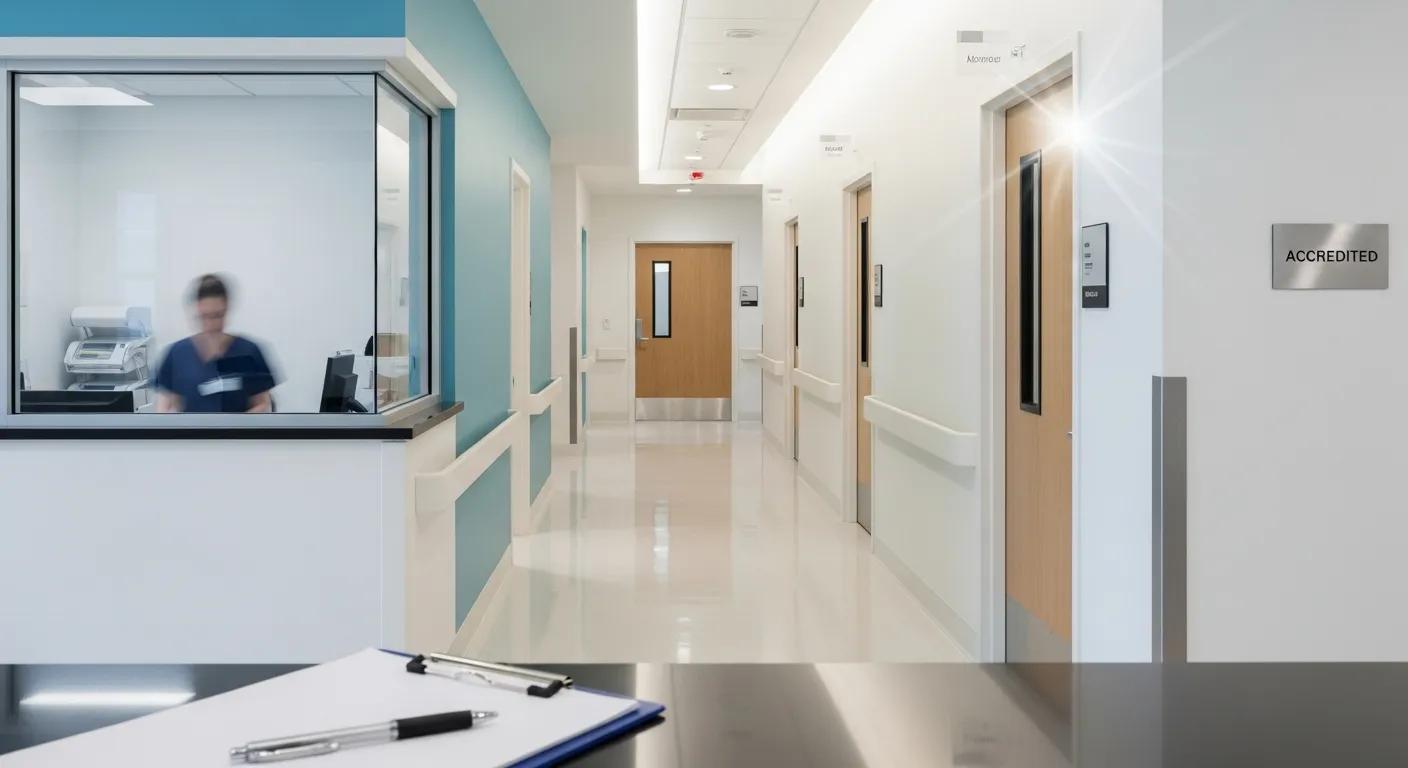
Ensuring Clinic Safety & Accreditation
In the realm of cosmetic clinics, ensuring patient safety and maintaining high standards of care are paramount. This article delves into the critical aspects of clinic safety, accreditation, and infection control, providing insights into the protocols that safeguard patient health during aesthetic procedures. Readers will learn about essential infection control standards, hygiene protocols, and the accreditation process that guarantees safety and quality in cosmetic treatments. As patients increasingly seek aesthetic procedures, understanding these elements becomes vital for informed decision-making. This guide will cover the essential infection control standards, hygiene protocols, sterilization procedures, and the accreditation process, along with how Luxe Lips, a Melbourne-based cosmetic aesthetic clinic, upholds these standards.
The importance of comprehensive regulation in the beauty clinic industry cannot be overstated, as highlighted by recent research.
Beauty Clinic Regulation: Patient Safety, Licensing & Hygiene
Regulation of beauty clinic is very important to maintain patient’s safety and wellbeing. In addition, it also involves physician and beautician licensing and certification. This regulation is intended to ensure competency and commitment to patient’s health and safety, and beauty clinic should comply with the legal requirement for its operation, including getting licensing and certification needed, attending appropriate sanitation and cleanliness practices, ascertaining the safety of equipment and product used, and protecting patient’s privacy and confidentiality. This regulation also helps maintain reputation and trust in beauty clinic business entirely.
Global Regulatory Challenges in the Aesthetic Beauty Clinic Business, SD Sari, 2025
Key Takeaways
- Clinic safety and accreditation are crucial for ensuring patient safety in cosmetic procedures.
- Infection control standards minimize infection risks during aesthetic treatments.
- Hygiene protocols, including PPE and sterilization, safeguard patient health.
- Accreditation processes ensure clinics meet safety and quality standards.
- Key accreditation bodies in Australia set guidelines for safe cosmetic treatments.
- Luxe Lips maintains compliance with accreditation to ensure high safety standards.
- Patient consent and risk management are vital for safe cosmetic procedures.
- Effective communication of safety standards builds client trust at Luxe Lips.
What Are the Essential Infection Control Standards in Cosmetic Clinics?
Infection control standards in cosmetic clinics are designed to minimize the risk of infections during procedures. These standards include thorough screening processes, clinical oversight, and strict adherence to health protocols. By implementing these measures, clinics can ensure a safe environment for both patients and practitioners. The importance of these standards cannot be overstated, as they form the foundation of patient safety in aesthetic treatments.
- Thorough Screening Process: Clinics must conduct comprehensive assessments of patients to identify any potential health risks before procedures.
- Clinical Oversight: Continuous monitoring by qualified professionals ensures adherence to safety protocols during treatments.
- Adherence to Health Protocols: Following established health guidelines is crucial for preventing infections and ensuring patient safety.
These infection control standards are essential for maintaining a safe clinical environment, which leads to better patient outcomes and trust in cosmetic procedures.
Which Hygiene Protocols Safeguard Patient Health During Aesthetic Procedures?
Hygiene protocols are critical in protecting patient health during aesthetic procedures. These protocols encompass a range of practices aimed at minimizing contamination and ensuring a sterile environment. Effective hygiene practices include the use of personal protective equipment (PPE), sterilization of instruments, and maintaining a clean treatment area.
- Use of Personal Protective Equipment (PPE): Practitioners must wear appropriate PPE, such as gloves and masks, to prevent the transmission of pathogens.
- Sterilization of Instruments: All tools and equipment must be properly sterilized before use to eliminate any potential sources of infection.
- Maintaining a Clean Treatment Area: Regular cleaning and disinfection of treatment spaces are essential to prevent cross-contamination.
By adhering to these hygiene protocols, clinics can significantly reduce the risk of infections, ensuring a safer experience for patients.
How Do Sterilization Procedures Minimize Infection Risks in Cosmetic Treatments?
Sterilization procedures are vital in minimizing infection risks associated with cosmetic treatments. These procedures involve the use of various techniques to eliminate all forms of microbial life on instruments and surfaces. Effective sterilization not only protects patients but also enhances the overall quality of care provided by clinics.
- Sterilization Techniques: Common methods include autoclaving, chemical sterilization, and dry heat sterilization, each effective in different contexts.
- Importance of Cleanliness: Maintaining a clean environment is crucial for preventing infections and ensuring patient safety.
- Regulatory Compliance: Clinics must comply with local health regulations regarding sterilization practices to ensure safety and quality.
Understanding the significance of sterilization procedures helps clinics maintain high standards of infection control, ultimately benefiting patient health.
How Does the Cosmetic Clinic Accreditation Process Guarantee Safety and Quality?
The accreditation process for cosmetic clinics is a comprehensive evaluation that ensures facilities meet established safety and quality standards. This process involves rigorous assessments by accredited bodies, which evaluate various aspects of clinic operations, including patient care, hygiene practices, and staff qualifications.
- Medical Ethics and Accountability: Accreditation promotes ethical practices and accountability among practitioners, ensuring they adhere to high standards of care.
- Regulatory Compliance: Accredited clinics must comply with local and national regulations, which helps maintain safety and quality in treatments.
- Informed Consent: The accreditation process emphasizes the importance of obtaining informed consent from patients, ensuring they understand the risks and benefits of procedures.
Through accreditation, clinics demonstrate their commitment to safety and quality, fostering trust among patients seeking aesthetic treatments.
What Are the Key Accreditation Bodies and Their Standards in Australia?
In Australia, several key accreditation bodies oversee the standards of cosmetic clinics. These organizations establish guidelines and conduct evaluations to ensure clinics provide safe and effective treatments.
- Australian Commission on Safety and Quality in Health Care (ACSQHC): This body sets national standards for safety and quality in healthcare, including cosmetic procedures.
- National Safety and Quality Health Service (NSQHS) Standards: These standards provide a framework for improving the quality of care in healthcare services, including cosmetic clinics.
- Australian Health Practitioner Regulation Agency (AHPRA): AHPRA regulates health practitioners and ensures they meet the required standards of practice.
Understanding the role of these accreditation bodies helps patients make informed choices about the clinics they choose for aesthetic procedures.
How Does Luxe Lips Maintain Compliance with Accreditation Requirements?
Luxe Lips, a Melbourne-based cosmetic aesthetic clinic, prioritizes compliance with accreditation requirements to ensure the highest standards of safety and quality. The clinic implements several strategies to maintain adherence to these standards.
- Thorough Screenings: Luxe Lips conducts comprehensive patient assessments to identify any potential health risks before procedures.
- Clinical Suitability Assessment: Each treatment plan is tailored to the individual needs of patients, ensuring that procedures are appropriate and safe.
- Professional Responsibility: The clinic emphasizes the importance of ethical practices and accountability among its staff, fostering a culture of safety.
By maintaining compliance with accreditation requirements, Luxe Lips demonstrates its commitment to providing safe and effective aesthetic treatments.
What Patient Safety Protocols Are Implemented in Cosmetic Aesthetic Treatments?
Patient safety protocols are essential in cosmetic aesthetic treatments to ensure the well-being of clients throughout their experience. These protocols encompass various practices designed to minimize risks and enhance patient care.
- Individual Assessment: Each patient undergoes a thorough evaluation to determine their suitability for specific treatments.
- Consultation Requirement: A detailed consultation is conducted to discuss treatment options, risks, and expected outcomes, ensuring patients are well-informed.
- Aftercare Support: Luxe Lips provides comprehensive aftercare instructions and support to ensure patients recover safely and effectively.
Implementing these patient safety protocols is crucial for fostering trust and confidence in the clinic’s services.
How Is Patient Consent Managed to Ensure Informed and Safe Procedures?
Managing patient consent is a critical aspect of ensuring informed and safe procedures in cosmetic clinics. The consent process involves educating patients about the treatments they will undergo and obtaining their agreement to proceed.
- Consultation Requirement: Patients are required to attend a consultation where they receive detailed information about the procedure, including potential risks and benefits.
- Informed Consent Process: Clinics must ensure that patients fully understand the information provided before signing consent forms, which protects both the patient and the practitioner.
- Patient Education: Ongoing education about the procedure and aftercare is essential for ensuring patients are well-prepared for their treatment journey.
By effectively managing patient consent, clinics can enhance safety and ensure that patients are making informed decisions about their care.
What Risk Management Practices Protect Clients During Treatments?
Risk management practices are essential in protecting clients during cosmetic treatments. These practices involve identifying potential risks and implementing strategies to mitigate them.
- Individual Assessment: Each patient is assessed for any underlying health conditions that may pose risks during treatment.
- Consultation Requirement: A thorough consultation allows practitioners to discuss potential risks and develop tailored treatment plans.
- Aftercare Support: Providing patients with clear aftercare instructions helps prevent complications and ensures a smooth recovery process.
Implementing these risk management practices is vital for ensuring patient safety and satisfaction.
How Does Luxe Lips Ensure Clinic Hygiene and Sterilization Excellence?
Luxe Lips is committed to maintaining the highest standards of hygiene and sterilization to ensure patient safety. The clinic employs several strategies to uphold these standards.
- Sterilization Techniques: Luxe Lips utilizes advanced sterilization methods to ensure all instruments are free from pathogens before use.
- Hygiene Protocols: Strict hygiene protocols are followed to maintain a clean and safe treatment environment.
- Regulatory Compliance: The clinic adheres to local health regulations regarding hygiene and sterilization practices, ensuring compliance with industry standards.
By prioritizing hygiene and sterilization excellence, Luxe Lips enhances patient safety and trust in its services.
What Are the Daily Infection Control Procedures Followed at Luxe Lips?
Daily infection control procedures are crucial for maintaining a safe environment at Luxe Lips. These procedures ensure that the clinic operates in compliance with health standards and minimizes the risk of infections.
- Daily Hygiene Practices: The clinic implements rigorous cleaning and disinfection protocols for all treatment areas and equipment.
- Staff Training: Continuous training ensures that all staff members are knowledgeable about infection control practices and protocols.
- Patient Safety Measures: Luxe Lips prioritizes patient safety by regularly reviewing and updating its infection control procedures.
These daily infection control procedures are essential for providing a safe and hygienic environment for patients.
How Are Staff Trained to Uphold Rigorous Safety Protocols?
Training staff to uphold rigorous safety protocols is a fundamental aspect of maintaining high standards in cosmetic clinics. Luxe Lips invests in comprehensive training programs to ensure that all team members are equipped with the knowledge and skills necessary to provide safe care.
- Training Programs: Staff undergo regular training sessions focused on infection control, hygiene practices, and patient safety protocols.
- Ongoing Education: Continuous education ensures that staff stay updated on the latest safety standards and best practices in the industry.
- Compliance with Standards: Luxe Lips emphasizes the importance of adhering to established safety protocols, fostering a culture of accountability among staff.
By prioritizing staff training, Luxe Lips enhances the overall safety and quality of care provided to patients.
What Should Clients Expect During a Personalized Consultation Focused on Safety?
During a personalized consultation at Luxe Lips, clients can expect a thorough and informative experience focused on their safety and well-being. The consultation process is designed to address individual needs and concerns.
- Personalized Approach: Each consultation is tailored to the client’s specific goals and health considerations, ensuring a customized treatment plan.
- Safety Focus: Practitioners emphasize safety throughout the consultation, discussing potential risks and benefits of proposed treatments.
- Exclusive Benefits: Clients may receive exclusive benefits during their first consultation, enhancing their overall experience.
This personalized approach ensures that clients feel informed and confident in their treatment decisions.

How Does Luxe Lips Communicate Safety and Hygiene Standards to Clients?
Effective communication of safety and hygiene standards is essential for building trust with clients at Luxe Lips. The clinic employs various strategies to ensure that clients are well-informed about the measures in place to protect their health.
- Communication Strategies: Luxe Lips utilizes clear and transparent communication methods to convey safety protocols to clients.
- Patient Education: Informational materials and discussions during consultations help educate clients about the clinic’s safety practices.
- Transparency: The clinic fosters an open dialogue with clients, encouraging questions and addressing any concerns regarding safety and hygiene.
By effectively communicating safety and hygiene standards, Luxe Lips enhances client confidence and satisfaction.
What Exclusive Benefits Accompany First-Time Client Consultations?
First-time clients at Luxe Lips can enjoy exclusive benefits designed to enhance their experience and encourage them to explore the clinic’s offerings. These benefits reflect the clinic’s commitment to providing exceptional care.
- Luxe Welcome Gift: New clients receive a special welcome gift as a token of appreciation for choosing Luxe Lips.
- Free LED Therapy: First-time clients may also benefit from complimentary LED therapy, which promotes skin health and rejuvenation.
- Relaxing Chair Massage: To enhance the overall experience, clients can enjoy a relaxing chair massage during their visit.
These exclusive benefits not only enhance the client experience but also demonstrate Luxe Lips’ dedication to exceptional service and patient care.
Frequently Asked Questions
What should I look for when choosing a cosmetic clinic?
When selecting a cosmetic clinic, consider factors such as accreditation, staff qualifications, and patient reviews. Ensure the clinic is accredited by recognized bodies, which indicates adherence to safety and quality standards. Additionally, check the qualifications and experience of the practitioners, as well as their commitment to ongoing education. Patient testimonials can provide insights into the clinic’s reputation and the quality of care provided. A thorough consultation process is also essential, as it reflects the clinic’s dedication to patient safety and satisfaction.
How often should clinics update their safety protocols?
Clinics should regularly review and update their safety protocols to align with the latest health regulations and industry best practices. This includes staying informed about new infection control guidelines, advancements in sterilization techniques, and changes in accreditation standards. Regular staff training sessions are also crucial to ensure that all team members are aware of and adhere to updated protocols. By maintaining current safety measures, clinics can enhance patient trust and ensure a safe environment for all aesthetic procedures.
What role does patient feedback play in clinic safety?
Patient feedback is vital for improving clinic safety and quality of care. It provides insights into patient experiences, highlighting areas that may require attention or improvement. Clinics can use this feedback to assess the effectiveness of their safety protocols, hygiene practices, and overall patient satisfaction. Encouraging open communication allows patients to voice concerns, which can lead to timely adjustments in procedures or practices. Ultimately, incorporating patient feedback fosters a culture of continuous improvement and enhances trust in the clinic’s commitment to safety.
Are there specific regulations for cosmetic procedures in Australia?
Yes, Australia has specific regulations governing cosmetic procedures to ensure patient safety and quality of care. These regulations are enforced by various accreditation bodies, such as the Australian Commission on Safety and Quality in Health Care and the Australian Health Practitioner Regulation Agency. Clinics must comply with national safety and quality standards, which include guidelines for practitioner qualifications, infection control, and patient consent. Understanding these regulations helps patients make informed choices about the clinics they select for aesthetic treatments.
What should I expect during the aftercare process following a cosmetic procedure?
Aftercare is a crucial component of the cosmetic treatment process, and patients should expect detailed instructions from their clinic. This may include guidelines on managing discomfort, caring for the treatment area, and recognizing signs of complications. Clinics often provide follow-up appointments to monitor healing and address any concerns. Patients should adhere to aftercare instructions closely to ensure optimal results and minimize risks. Open communication with the clinic during the recovery period is essential for addressing any questions or issues that may arise.
How can I ensure my privacy is protected during treatments?
To ensure your privacy is protected during cosmetic treatments, choose a clinic that prioritizes confidentiality and adheres to strict privacy policies. This includes secure handling of personal information and clear communication about how your data will be used. During consultations, inquire about the clinic’s privacy practices and how they safeguard patient information. Additionally, clinics should provide a comfortable environment where patients feel secure discussing their concerns. Understanding your rights regarding privacy can help you feel more confident in your treatment experience.
What are the potential risks associated with cosmetic procedures?
Like any medical procedure, cosmetic treatments carry potential risks, including infection, allergic reactions, and dissatisfaction with results. It’s essential to discuss these risks during your consultation to make an informed decision. Practitioners should provide a thorough explanation of possible complications and how they are managed. Additionally, understanding the importance of choosing an accredited clinic with qualified professionals can help mitigate these risks. Open communication with your practitioner about your health history and concerns is crucial for ensuring a safe treatment experience.
