Fractional Ablative Laser Treatment Aftercare
Educational Resource — This page is intended as a general educational guide for patients who have received or are considering lip filler treatment. It does not constitute medical advice. Always follow the specific instructions provided by your treating practitioner.

Fractional ablative laser resurfacing, often referred to as fractional CO2 laser, is one of the most effective treatments available for improving skin texture, reducing scarring, minimising wrinkles, and addressing sun damage. It works by creating thousands of microscopic treatment zones in the skin, removing damaged tissue in a controlled, fractionated pattern while leaving surrounding skin intact to support rapid healing.
Because this treatment creates real wounds in the skin, deliberately and precisely, the aftercare protocol is more involved than most other aesthetic procedures, and the healing process requires genuine commitment. Following these instructions carefully will protect your investment and maximise your result. Every fractional ablative laser treatment is customised to the individual patient. Depth, density, and coverage area are all adjusted based on your skin type, concerns, and tolerance for downtime.
Before your fractional ablative laser appointment
SUN AVOIDANCE
Avoid all deliberate sun exposure, tanning beds, and fake tan for a minimum of four weeks before your appointment. Tanned or sun-damaged skin significantly increases the risk of post-inflammatory hyperpigmentation and complications. If you have a tan, your treatment may need to be rescheduled.
RETINOL AND ACTIVE SKINCARE
Discontinue retinol, retinoids, and all prescription-strength skincare actives (tretinoin, hydroquinone, benzoyl peroxide) for at least two weeks before treatment. These products thin the stratum corneum and can alter healing.
ANTIVIRAL MEDICATION
If you have any history of cold sores (herpes simplex virus), inform your practitioner before treatment. Prophylactic antiviral medication (such as valaciclovir) may be prescribed to begin 24 to 48 hours before your appointment and continue for several days afterwards. Laser resurfacing can reactivate the virus, and an outbreak during the healing phase can cause scarring.
ARRANGE SOCIAL DOWNTIME
This treatment usually involves a period of downtime. Plan for seven to fourteen days away from social commitments and work that involves face-to-face interaction. Your skin will be visibly affected during this period. Stock up on gentle skincare, bland foods, and anything you need to be comfortable at home.
ARRIVE WITH CLEAN SKIN
Come to your appointment with a completely clean face — no makeup, sunscreen, serums, or moisturisers. Your skin will be thoroughly cleansed at the clinic, but arriving clean helps ensure an even treatment.
What to expect immediately after treatment
Immediately after treatment, your skin will feel hot and look intensely red, similar to a significant sunburn. Swelling is common, particularly around the eyes and cheeks. Your practitioner will apply a soothing ointment or barrier cream before you leave the clinic.
The treatment creates thousands of microscopic channels in the skin. In the first 12 to 24 hours, some oozing may occur, a clear or slightly yellowish fluid from the treated skin. This is typically lymphatic fluid and is part of the normal wound-healing response.
You may feel a stinging, burning, or throbbing sensation for several hours after treatment. Paracetamol is usually sufficient for discomfort management, but your practitioner will advise on appropriate pain relief. Cold compresses (not ice directly on skin) can provide comfort.
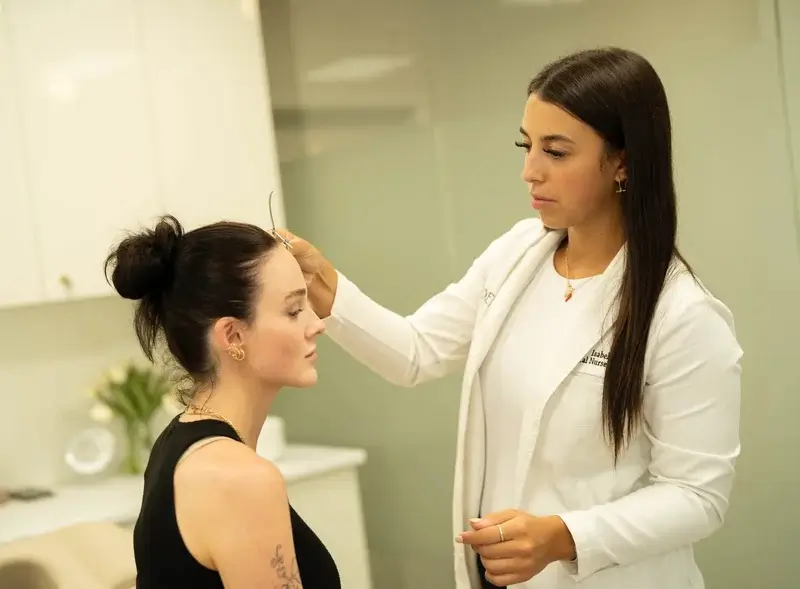

Fractional ablative laser treatment aftercare guidance
What to do and what to avoid during recovery
This is an important instruction during fractional ablative laser recovery. Apply the prescribed ointment (or plain Vaseline/Aquaphor if directed) generously and frequently, at least every two to three hours, and whenever the skin feels tight or dry. The treated skin should be kept moist and not allowed to dry out or form a hard crust. Maintaining a moist wound environment supports the healing process and may help reduce the risk of complications such as excessive crusting or scarring.
Use the gentle cleanser provided or recommended by your practitioner. Dampen your skin with lukewarm water, apply the cleanser with clean fingertips using no pressure, and rinse with lukewarm water. Pat dry — never rub. Cleanse two to three times per day to remove lymphatic fluid and ointment residue, then immediately reapply ointment.
Apply a clean, cool (not ice-cold) damp cloth to the treated area for ten to fifteen minutes at a time as needed. This helps manage swelling and provides relief from the heat sensation. Do not apply ice directly to the skin.
For the first three to five nights, sleep with two to three pillows or a wedge pillow to keep your head elevated. This significantly reduces facial swelling, particularly around the eyes.
Drink at least two to three litres of water daily during the first week. Your body is actively healing thousands of micro-wounds and needs adequate hydration to do so efficiently.
Once the skin has fully re-epithelialised (typically day ten to fourteen), begin applying a mineral SPF 50+ sunscreen every single day. Newly resurfaced skin is extremely susceptible to UV damage and hyperpigmentation. Consistent sun protection is recommended for at least three months and forms an important part of long-term skin care.
This point bears repeating because maintaining moisture is an important part of the recovery process. If the ointment dries and the skin forms a hard crust, healing may be slower and the risk of complications such as scarring may increase. Keep it moist. Set a timer if needed.
As the skin heals, it will flake, peel, and feel itchy. Do not pick at any crusting, peeling skin, or scabs under any circumstances. Picking can cause scarring, infection, and uneven pigmentation. Let the skin shed naturally.
No retinol, AHAs, BHAs, vitamin C, niacinamide, or any other active ingredients until your practitioner confirms the skin has fully healed — often around two to four weeks. Even products marketed as ‘gentle’ or ‘sensitive’ may contain ingredients that irritate compromised skin.
Avoid direct sunlight entirely during the first two weeks. When you must go outside, wear a wide-brimmed hat and seek shade. Once healed, daily SPF 50+ use is strongly recommended.
Sweat may introduce bacteria to the healing skin and raises core body temperature, which can worsen swelling and increase the risk of infection. Avoid all exercise that causes you to perspire until your practitioner clears you.
Pools, spas, the ocean, and any body of water are off-limits until the skin has fully healed. Chlorine, bacteria, and salt can all cause irritation or infection in compromised skin.
Makeup should not be applied to the treated area until the skin has fully re-epithelialised and your practitioner has confirmed it is safe to do so. This is typically around day ten to fourteen, but varies between patients.
Skincare and nutrition after fractional ablative laser
Skincare
Your skincare routine during the first week is usually limited to two products: the gentle cleanser provided or recommended by your practitioner, and the prescribed ointment or barrier (Vaseline, Aquaphor, or similar). Other skincare products should generally be avoided during this phase unless advised by your practitioner. The goal is to keep the barrier intact, the skin moist, and the wound environment clean.
As the skin finishes peeling and new skin is revealed, you may begin using a gentle, fragrance-free moisturiser in addition to your cleanser. Continue the ointment on any areas still healing. Introduce a mineral SPF 50+ sunscreen once the surface is no longer broken or peeling.
Gradually reintroduce simple hydrating products — a hyaluronic acid serum, a ceramide-based moisturiser, and your SPF 50+. Avoid anything containing fragrance, essential oils, or active exfoliating ingredients. Your skin is new and sensitive; treat it accordingly.
After four weeks (or once your practitioner has confirmed full healing), you may begin reintroducing active ingredients one at a time. Start with lower concentrations and every other night. Retinol, vitamin C, and AHAs are commonly used in skincare routines but should be reintroduced gradually to avoid irritation.
SPF 50+ broad-spectrum mineral sunscreen is the single most important product in your routine from this point forward. Newly resurfaced skin is highly susceptible to pigmentation changes from UV exposure. Reapply every two hours when outdoors. Consistent sun protection is strongly recommended to help reduce the risk of pigmentation changes after treatment.
Food & Drink
Avoid alcohol entirely during the active healing phase (first seven to ten days). Alcohol dehydrates the body, dilates blood vessels (worsening redness and swelling), and impairs the immune response needed for wound healing.
Foods rich in protein (eggs, lean meats, legumes), vitamin C (citrus, capsicum, kiwi fruit), zinc (pumpkin seeds, oysters, red meat), and omega-3 fatty acids (salmon, sardines, walnuts) all support wound healing and collagen production. Prioritise these during your recovery week.
Thermal laser treatments temporarily compromise the skin barrier, leading to increased transepidermal water loss. Drink at least 2 litres of water daily to maintain cellular hydration and support tissue repair. Incorporating electrolyte-rich drinks like coconut water can help the body retain moisture, which is essential for the transition from the healing phase to the recovery phase.
Healthy fats are the building blocks of the skin’s lipid barrier. Increasing your intake of extra virgin olive oil, avocados, and flaxseeds helps the skin regain its natural moisture-retention capabilities after resurfacing. These fats work alongside omega-3 fatty acids to manage post-laser inflammation and reduce the duration of heat-related redness.
The primary goal of fractional ablative laser is to trigger a wound-healing response that creates new collagen. Provide your body with the necessary building blocks by consuming protein-rich sources like bone broth or collagen peptides. These provide the specific amino acids required to build the new collagen scaffolding that results in smoother, firmer skin as you move toward week 4 and beyond.
Planning your downtime
What you need to know
Fractional ablative laser resurfacing typically involves noticeable downtime, and planning ahead makes the experience far more manageable. Here is what to expect at each stage:
- Days 1–3: Your skin is typically red, swollen, and may ooze during this phase. Most patients prefer to remain at home while the initial healing response settles. Keep the skin moist and rest as much as possible.
- Days 3–5: Oozing usually subsides and crusting may begin. The skin may feel tight and itchy, and visible healing changes are still present.
- Days 5–10: Peeling and flaking. The old damaged skin is shedding to reveal new skin underneath. This is often the most cosmetically challenging phase. Peeling can appear dramatic but is a common part of the healing process.
- Days 10–14: New, pink skin is visible. Most of the flaking is complete. You may feel comfortable with gentle mineral makeup, but the pinkness persists.
- Weeks 3–4: The pink tone gradually normalises. Most patients feel confident in social settings by this stage.
Plan your treatment around your calendar. Avoid scheduling within two weeks of weddings, events, holidays, or important meetings. Allowing adequate time for rest and recovery can help support the healing process.
Your treatment plan
Fractional ablative laser is widely used for addressing concerns such as skin texture irregularities, scarring, and sun-related skin damage. Within the Skin Quality → Structure → Refinement framework used at Luxe Lips, it sits firmly in the skin quality and refinement phases — resurfacing the skin surface to support improvements in texture and overall skin appearance.
As a longevity tool, fractional ablative laser does more than address visible concerns. Collagen remodelling processes may continue for months after treatment, contributing to changes within the dermal matrix. In some treatment plans, this may complement other procedures such as bioremodelling or structural injectables.
Some clinical literature has explored combination treatment approaches, with studies reporting improved outcomes and patient satisfaction when lasers are used alongside other modalities (Pour Mohammad et al. 2023).
Your practitioner may recommend sequencing fractional ablative laser after initial skin quality treatments (such as Rejuran or gentle energy devices) and before or alongside structural injectables. This phased approach is intended to allow treatments to be staged logically within a broader plan.
Over a 12-month plan, fractional ablative laser is typically scheduled during a period when you can commit to genuine downtime, with complementary maintenance treatments — such as Forma RF, bioremodelling, or PicoSure toning — spaced throughout the rest of the year. Long-term observational data have examined the safety of combining energy-based devices with cosmetic injectables in clinical practice (Suh et al. 2025).
The consultation is the most important part of this journey. Your practitioner will assess your skin comprehensively, listen to your goals, and design a staged plan that delivers gradual, natural-looking improvement over time.
When you’re ready, you can schedule a session to discuss your next steps at our Moonee Ponds, Camberwell, or Brighton cosmetic clinic.
Healing timeline
Days 1–3
Intense redness, oozing of clear lymphatic fluid, significant swelling (particularly around the eyes), and a hot, stinging sensation across the treated area. This phase feels like a severe sunburn. Keep the skin moist with ointment at all times. Use cool compresses for comfort. Sleep elevated.
Days 2–3
Swelling may begin to improve during this period. Bruising may become more visible as it develops. The treated area may feel firm or uneven to the touch during this stage as the filler settles. Oozing subsides. Crusting begins as the lymphatic fluid dries. The skin feels tight, itchy, and uncomfortable. Do not scratch or pick. Continue moistening with ointment and cleansing gently two to three times per day.
Days 5–10
Peeling and flaking begin in earnest. Large flakes of treated skin will shed, sometimes dramatically. This is a common part of the healing process as treated surface layers shed and new skin becomes visible. Let it shed naturally. Continue keeping the skin moist.
Week 4+
The skin continues to normalise. The pink tone fades as the new skin matures. Changes in skin texture and tone may become more noticeable during this stage.
8–12 Weeks
Collagen remodelling continues well beyond the surface healing phase. Changes within the dermal collagen matrix may continue to develop over several months. Some patients notice continued changes in skin appearance at three to six months as collagen remodelling progresses.
What is normal vs what warrants a call
A clear breakdown to help you assess your recovery
Normal
- ✓Intense redness lasting several days
- ✓Oozing of clear or yellowish fluid in the first 24 to 48 hours
- ✓Significant swelling, particularly around the eyes
- ✓Stinging, burning, or throbbing sensation on the treatment day
- ✓Crusting and flaking from day three onwards
- ✓Itching during the peeling phase
- ✓Pink new skin that gradually normalises over weeks
All of the above are expected parts of the healing process following fractional ablative laser resurfacing. The treatment creates controlled wounds, so the recovery reflects that reality.
Contact the clinic promptly if you experience
- !Redness that intensifies rather than gradually improving after day five
- !Thick yellow or green pus (distinct from clear lymphatic oozing)
- !Increasing pain or tenderness after the initial few days
- !Fever or feeling generally unwell
- !Development of cold sore-like blisters (possible herpes reactivation)
- !Darkening of skin that appears patchy or uneven after healing
Seek Urgent Care Immediately
- ⚠Signs of spreading infection — increasing redness, swelling, heat, and pain with red streaking
- ⚠High fever (above 38.5°C) with facial swelling
- ⚠Allergic reaction to prescribed medications (rash, difficulty breathing, facial swelling)
- ⚠Blistering that appears inconsistent with normal healing
Infection following fractional ablative laser treatment is uncommon but requires prompt medical assessment. If you suspect infection at any time during your recovery, contact the Luxe Lips emergency line immediately.
Your follow-up appointment
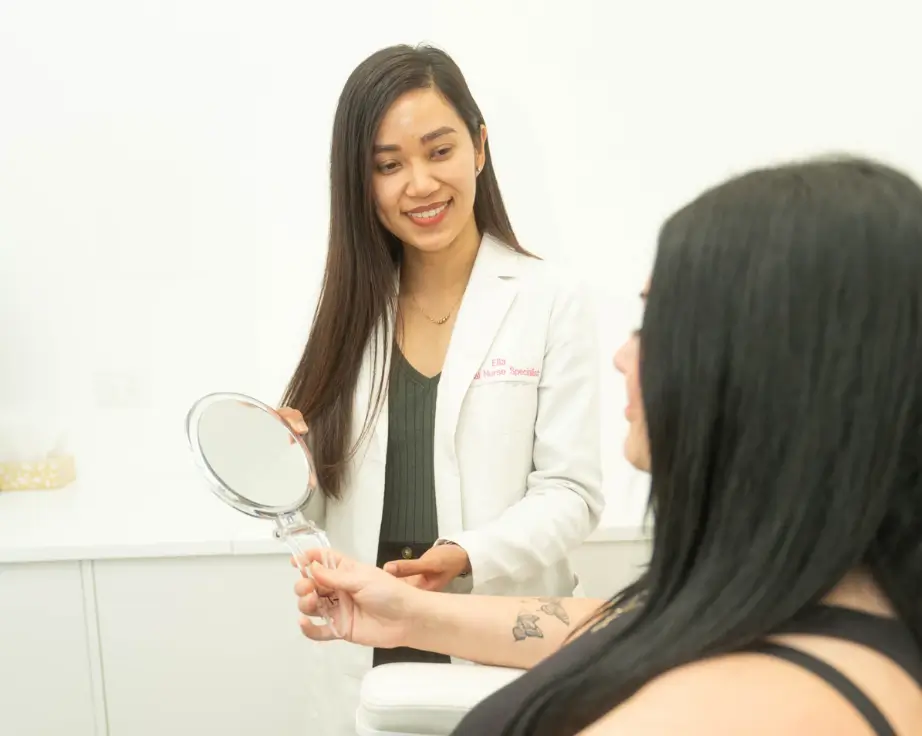
A follow-up appointment is typically scheduled seven to fourteen days after your fractional ablative laser treatment. During this visit, your practitioner will assess the healing progress, check for any complications, and advise on when to begin reintroducing skincare products and normal activities.
If you have any concerns before your follow-up, particularly signs of infection, unexpected blistering, or anything that does not look or feel right, contact the clinic immediately. Do not wait. Early assessment can help reduce the risk of complications.
If you are ready to discuss your treatment plan, book your consultation now.
Common questions about fractional ablative laser aftercare
How painful is fractional ablative laser?
The treatment is performed under topical anaesthetic and is well tolerated. Afterwards, the skin feels hot and stinging, similar to a significant sunburn. Paracetamol and cool compresses are usually sufficient for comfort. Your practitioner will advise on pain management.
Why is keeping the skin moist so important?
Moist wound healing is a well-established medical principle. Keeping the treated skin covered with ointment helps maintain a moist wound environment, which may reduce crust formation and support the natural healing process. It is considered an important part of the recovery process.
When can I wear makeup after fractional ablative laser?
Makeup should not be applied until the skin has fully re-epithelialised and is no longer broken, peeling, or oozing. This is typically around day ten to fourteen. Mineral-based makeup is recommended initially as it is less likely to irritate new skin.
When can I return to exercise?
Avoid all exercise that causes sweating for seven to ten days. Sweat may introduce bacteria to healing skin and raise body temperature, which can worsen swelling or irritation. Your medical professional will confirm when it is safe to resume.
Will I need more than one session?
Some patients undergo a single session, while others may benefit from two to three sessions spaced two to three months apart depending on their skin concerns and treatment goals. Your practitioner will develop a treatment plan tailored to your needs.
Can fractional ablative laser cause scarring?
When performed by a qualified practitioner and when aftercare instructions are followed carefully, the risk of scarring is very low. The most common cause of complications is picking at healing skin or allowing it to dry out. Follow the aftercare protocol closely.
Is fractional ablative laser safe for darker skin tones?
Fractional ablative laser must be approached with caution in darker skin types (Fitzpatrick IV–VI) due to a higher risk of post-inflammatory hyperpigmentation. Your practitioner will assess your suitability during your consultation and adjust settings accordingly.
How long do results last?
Collagen remodelling processes associated with fractional ablative laser may continue for several months after treatment. The duration of visible changes varies between individuals and may be influenced by factors such as sun exposure, skincare, and natural ageing. Natural ageing continues, and maintenance sessions may be recommended over time.
How does fractional laser treatment fit into a broader skin plan?
Yes, but you must inform your practitioner. Preventative antiviral medication may be prescribed before and after treatment to reduce the risk of herpes simplex virus reactivation. An active outbreak during healing may increase the risk of complications, which is why this precaution is often recommended.
When can I return to work after fractional ablative laser?
Plan for seven to fourteen days away from work and social commitments, depending on the intensity of your treatment. The first five days involve the most visible healing (redness, oozing, and peeling), with new pink skin emerging by day ten to fourteen. Discuss your schedule with your practitioner beforehand so they can tailor the treatment intensity to your available downtime.
How does fractional laser treatment fit into a broader skin plan?
Fractional ablative laser is commonly used to address concerns such as skin texture irregularities, scarring, and sun-related skin damage. It is often sequenced after initial skin quality treatments — such as bioremodelling or gentle energy devices — and before or alongside structural injectables. This layered approach allows treatments to be staged within a broader treatment plan. Your medical professional will design a personalised plan based on a full facial assessment.
How long is the downtime after fractional ablative laser?
The initial downtime after fractional ablative laser typically spans 7 to 14 days, during which the skin undergoes a significant shedding process. The first three days are the most intense, characterized by redness, swelling, and a sensation similar to a severe sunburn. Between days 5 and 10, the damaged skin will peel and flake dramatically to reveal fresh, pink tissue underneath.
While the surface of the skin appears largely healed by the third week, the full recovery of the deeper structural layers continues for months. This pinkness gradually fades as the new skin matures, and the most significant improvements in texture, tone, and tightness develop between three and six months as collagen remodeling continues. During this entire period, it is essential to protect the delicate new tissue with mineral SPF 50+.
Your Next Step
If you have questions about your recovery, would like to discuss your aftercare, or are ready to book a review appointment, the Luxe Lips clinical team is here to support you with clarity and care.
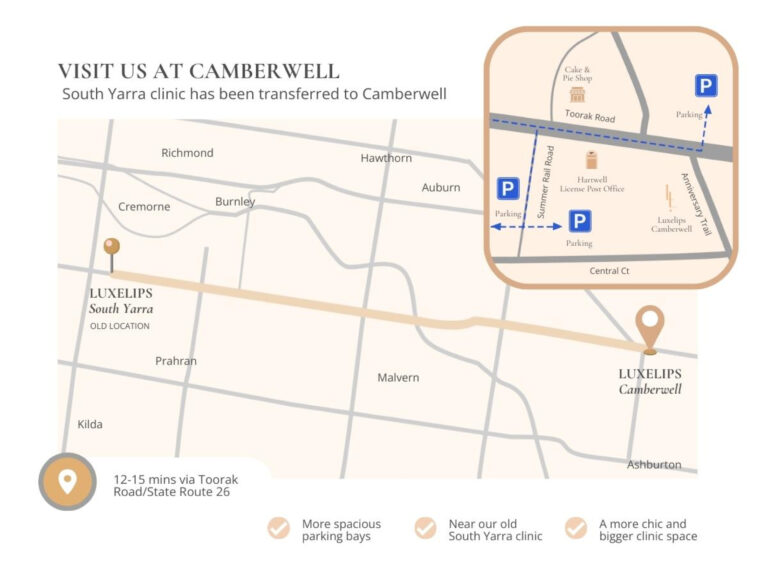
Fractional ablative laser treatments are only available at our Camberwell clinic.
Your Luxe Lips Cosmetic Team

Dermal Clinician
Qualified Dermal Clinician, Bachelor of Dermal Sciences. Experience across skin treatments, laser and light technologies, with clinical precision from a background in pathology collection.

AHPRA: NMW0004024849
St. Luke’s Medical Center trained with a leadership background in advanced care. Focused on natural-looking, subtle results that celebrate each client’s unique features.

AHPRA: NMW0004060728
Registered Nurse with a Bachelor of Nursing and placements across surgical, aged care, mental health, and renal. Meticulous cosmetic nurse with a listening-first approach and time given at every step.

AHPRA: NMW0004017121
3+ years in high-acuity intensive care, Cum Laude nursing honours, and a Shining Star Award for patient care. Steady, patient-first approach with treatments tailored to your goals.

AHPRA: NMW0002552233
Royal Children’s Hospital trained in cardiac and renal care. Meticulous attention to detail and a calm, supportive approach to every treatment.

AHPRA: NMW0002779008
Master of Nursing Science (UniMelb), Royal Children’s Hospital. Former fashion industry background gives her a strong aesthetic eye for natural-looking results.

AHPRA: NMW0001759171
Practicing nursing since graduating in 2006, with experience at Royal Children’s Hospital. Master’s in Advanced Nursing Practice (Melbourne University), offering a holistic, patient-focused approach.

Dermal Clinician
Dermal Clinician with an Associate Degree in Applied Health Science (Distinction) and Diploma of Beauty Therapy. Warm, intuitive approach with plans tailored to each client’s skin and goals.

AHPRA: NMW0002001199
Surgical nurse background at Epworth Hospital. ED and HDU experience at Sandringham Hospital. Passionate about building client relationships and natural results.

AHPRA: NMW0002837303
Registered nurse with experience in surgery, aged care in Queensland Health. Brings clinical precision and a personalised approach to enhance natural features.

DERMAL CLINICIAN
Certified Dermal Clinician, Bachelor of Applied Health Science (Clinical Aesthetics). 5+ years’ experience in skin and aesthetic treatments, specialising in acne, pigmentation, and rejuvenation.

Dermal Clinician
Dermal Clinician with an Associate Degree (Dermal Therapy) and Diploma of Beauty Therapy, completing a Bachelor in Clinical Aesthetics. Curious, considered approach to every skin plan.
Fractional ablative laser aftercare support at Luxe Lips
Post-treatment support is part of the service at Luxe Lips. A 24/7 medical professional is available to answer queries after your appointment. If you have a concern about your healing, regardless of the time, call the clinic and press 1 to alert the team to a medical concern relating to your procedure.
If something concerns you before your follow-up, do not wait. Contact the clinic directly. For appointments, consultations, or general enquiries, visit luxelips.com.au or call the clinic during business hours.
Medical Disclaimer
The information on this page is intended as general guidance for patients who have received fractional ablative laser treatment at Luxe Lips. It does not constitute medical advice. Every individual is different, and recovery experiences vary. If you are concerned about any aspect of your recovery, contact the Luxe Lips clinic directly rather than relying solely on this page. For urgent medical concerns unrelated to the procedure, contact your GP or call 000. Individual results may vary. No guarantee of specific outcomes is expressed or implied.
References
- Manstein D, Herron GS, Sink RK, Tanner H, Anderson RR. Fractional photothermolysis: a new concept for cutaneous remodelling using microscopic patterns of thermal injury. Lasers in Surgery and Medicine. 2004;34(5):426–438.
- Hantash BM, Bedi VP, Chan KF, Zachary CB. Ex vivo histological characterization of a novel ablative fractional resurfacing device. Lasers in Surgery and Medicine. 2007;39(2):87–95.
- Tierney EP, Hanke CW. Review of the literature: treatment of dyspigmentation with fractionated resurfacing. Dermatologic Surgery. 2010;36(10):1499–1508.
- Prignano F, Campolmi P, Bonan P, et al. Fractional CO2 laser: a novel therapeutic device upon photobiomodulation of tissue remodelling and cytokine pathway of tissue repair. Dermatologic Therapy. 2009;22(Suppl 1):S8–S15.
- Pour Mohammad A et al. (2023). A systematic review and meta-analysis of efficacy, safety, and satisfaction rates of laser combination treatments vs laser monotherapy. Lasers in Medical Science, 38(1), 228.
- Suh DH et al. (2025). An 18-year comprehensive safety study on microfocused ultrasound and monopolar radiofrequency combined with cosmetic injectables in 1,040 patients. Archives of Dermatological Research, 317(1), 251.
- Weinkle SH et al. (2018). Impact of comprehensive, minimally invasive, multimodal aesthetic treatment on satisfaction with facial appearance: The HARMONY Study. Aesthetic Surgery Journal, 38(5), 540-556.
- Tam E et al. (2025). A systematic review on the effectiveness and safety of combining biostimulators with botulinum toxin, dermal fillers, and energy-based devices. Aesthetic Plastic Surgery, 49(10), 2809-2833.