Picosure Tattoo Removal Aftercare
Your complete recovery guide from the Luxe Lips clinical team
Educational Resource — This page provides general aftercare guidance for patients who have received picosure tattoo removal treatment. It does not constitute medical advice. If you have any concerns about your recovery, contact the Luxe Lips clinic directly.
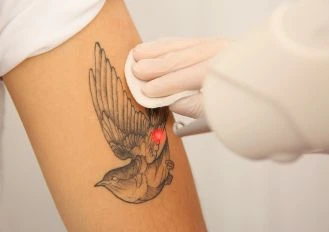
PicoSure tattoo removal uses ultra-fast picosecond laser pulses applied to the tattoo pigment during treatment. The tattoo removal healing process requires careful aftercare. Each session can create a localised response in the skin, and how you care for the treated area between sessions can influence your recovery and comfort. Blistering after treatment can occur as part of the skin’s response and is commonly seen during recovery.
This guide outlines how to care for your skin after PicoSure tattoo removal at Luxe Lips. Every treatment plan is tailored to the individual tattoo — ink colours, depth, age, location, and your body’s healing response all influence the approach your practitioner takes.
Before your PicoSure tattoo removal appointment
SUN AVOIDANCE ON THE TATTOO AREA
Avoid sun exposure on the tattooed area for at least four weeks before your session. Tanned skin can respond differently to laser treatment and may increase the risk of burns or pigmentation changes. If the tattoo is on an area that is difficult to cover, use SPF 50+ consistently.
CLEAN SKIN
The skin over the tattoo should be clean and free of any products — no moisturisers, sunscreen, fake tan, or topical medications on the area before treatment.
NO FAKE TAN ON THE TREATMENT AREA
Ensure all traces of self-tanner or spray tan have been removed from the tattooed area well before your session. DHA-based tans may interfere with laser treatment and increase the risk of burns if present on the skin.
SHAVE THE AREA IF NEEDED
If the tattoo is in an area with hair growth, shave the area the day before your appointment so the skin surface is clear for treatment.
What to expect immediately after treatment
Immediately after treatment, you may notice a white, frosted appearance on the treated tattoo. This is known as the “frosting effect” and is commonly seen after laser tattoo removal treatments. The frosting usually fades within several minutes.
Once the frosting subsides, the treated area may appear red, swollen, and tender. It may feel hot and throbbing, similar to a localised burn. This reflects the skin’s response to the laser treatment and forms part of the recovery process.
In the hours and days following treatment, blistering may develop. Blisters can range from small and scattered to large and fluid-filled. While they can look concerning, blistering is commonly seen during the tattoo removal healing process. Your medical professional will explain what to expect for your specific situation.

Picosure tattoo removal aftercare guidance
What to do and what to avoid during recovery
Keep the area clean
Gently wash the treated area with lukewarm water and a mild, fragrance-free soap or cleanser twice daily. Pat dry with a clean towel — do not rub.
Apply the prescribed ointment
Apply a thin layer of the prescribed antibacterial or healing ointment (or Vaseline/Aquaphor if directed) to the treated area after each cleanse. This helps keep the treated area moist and protected during recovery.
Keep the area covered as directed
Your practitioner may advise covering the treated area with a non-stick dressing for the first few days. This protects the area from friction, dirt, and bacteria, particularly if the tattoo is in a location that rubs against clothing.
Elevate the area if possible
If the treated tattoo is on an arm or leg, keeping the limb elevated when resting can help reduce swelling.
Take paracetamol for discomfort
Paracetamol may be used for post-treatment discomfort. Avoid ibuprofen and aspirin for the first 48 hours, as they may increase bruising during the early healing phase.
Apply SPF 50+ once the skin has healed
Once the treated area has fully healed (no open skin, blisters, or crusting), apply SPF 50+ to the area whenever it is exposed to sunlight. This helps reduce the risk of hyperpigmentation and supports preparation for future sessions if additional treatments are planned.
Do not pop or puncture blisters
Blisters that form after tattoo removal should not be popped, drained, or punctured. The fluid inside helps protect the skin during the healing process. If a blister breaks on its own, keep the area clean, apply ointment, and cover with a non-stick dressing.
Do not pick at scabs or crusts
As the area heals, crusting or scabbing may occur. Allow these to separate naturally. Picking or pulling at scabs may increase the risk of scarring or delayed healing.
Do not expose the area to sun
UV exposure on the healing area may increase the risk of hyperpigmentation or hypopigmentation. Keep the area covered or use SPF 50+ once the skin has fully healed.
Do not submerge in water
Avoid swimming pools, spas, baths, and the ocean until the skin has fully healed. Showers are generally acceptable, but avoid directing high-pressure water at the treated area.
Avoid intense exercise
Sweat and friction may irritate the treated area and increase the risk of bacterial exposure. Avoid activities that cause sweating in the tattoo area for at least 48 hours.
Do not apply fake tan to the area
Avoid self-tanning products on the treated area throughout your entire course of tattoo removal sessions. Tanned skin may complicate treatment and increase the risk of adverse skin reactions.
Skincare and nutrition after Picosure tattoo removal
Skincare
Cleansing the area
Gently wash the treated area with lukewarm water and a mild, fragrance-free cleanser twice daily. Avoid scrubbing or using any abrasive cloths. Pat dry with a clean towel.
Healing ointment
Apply the prescribed ointment or Vaseline/Aquaphor after each cleanse and whenever the area feels dry. This helps keep the treated area moist and protected during the healing process.
Avoid all skincare actives on the area
Do not apply any products containing retinol, AHAs, BHAs, fragrances, or exfoliating ingredients to the treated area until it has fully healed. Only gentle cleanser and the prescribed ointment should be used during the healing phase.
Sunscreen after healing
Once the skin over the tattoo has fully healed — no blisters, crusts, or open skin — begin applying SPF 50+ daily to help reduce the risk of UV-related pigmentation changes. Continue this practice between all sessions.
Food & Drink
Alcohol
Avoid alcohol for 48 hours after each session. Alcohol thins the blood and can increase bruising, swelling, and discomfort in the treated area.
Stay Hydrated
Drink at least two litres of water daily. Proper hydration is essential for the lymphatic system to effectively transport and eliminate the shattered ink particles from your body.
Prioritise Vitamin C and Zinc
Include foods high in Vitamin C (citrus, berries) and Zinc (seeds, legumes, lean protein). These specific nutrients are the building blocks your skin needs to repair the treated area quickly.
Avoid Excessively Hot Food & Drink
For the first 24 hours, stick to room temperature or cool meals and drinks. Excess internal heat from very hot soups or coffees can increase blood flow and worsen localized swelling.
The frosting effect
Immediately after a PicoSure tattoo removal session, a white, frosted appearance may be visible over the treated tattoo. This is commonly referred to as the “frosting effect” and is a frequently observed response following laser tattoo removal treatment.
The appearance is temporary and typically fades within several minutes. While the frosting can look unusual, it is a normal part of the skin’s immediate reaction to the laser treatment. As you progress through your treatment course, the appearance of frosting may vary between sessions depending on the characteristics of the tattoo and how the skin responds to treatment.
Blistering after tattoo removal
Blistering can occur after laser tattoo removal and may look concerning, but it is a commonly observed response during the healing process for some patients. Blisters may appear within a few hours of treatment or develop over the following one to two days as the skin reacts to the procedure.
It is important not to pop or puncture blisters. Leaving them intact helps protect the underlying skin while it heals. Opening a blister can expose the treated area to bacteria and may increase the risk of infection or delayed healing.
If a blister breaks on its own, gently clean the area, apply the ointment recommended by your medical professional, and cover it with a non-stick dressing. Contact the clinic if you notice signs of infection such as increasing redness, warmth, pus, or an unusual odour.
Blisters usually settle over the following one to two weeks. During this time the skin underneath may appear pink or sensitive, which gradually improves as healing continues.
Your next tattoo removal session
Sessions are typically spaced six to eight weeks apart to allow the skin to fully heal and the body’s immune system to clear as much fragmented ink as possible between treatments. Treating too frequently does not speed up the process and increases the risk of complications.
At each session, your practitioner will assess the tattoo’s response, photograph your progress, and adjust laser settings as needed. As the ink density decreases, your practitioner may change parameters to target the remaining ink more effectively.
Patience is essential with tattoo removal. Significant fading takes time, but each session brings you closer to your goal.
Your treatment plan
Tattoo removal is a unique treatment within the Luxe Lips offering. While it sits outside the typical Skin Quality → Structure → Refinement framework, the same patient-centred and staged treatment philosophy applies. Each session is a step in a longer journey, and the approach is always tailored to your specific tattoo, skin type, and goals.
PicoSure tattoo removal may be performed as part of a staged treatment plan when patients wish to address tattoo pigment before other aesthetic procedures in the same area. In some cases, medical professionals may recommend completing tattoo removal before planning additional treatments in the surrounding skin.
Once tattoo removal treatment has progressed, your medical professional may discuss other procedures that could be considered for the surrounding skin area. Some clinical literature has explored the use of laser treatments alongside other aesthetic procedures. One study examined the use of laser treatments alongside other aesthetic procedures in clinical settings (Pour Mohammad et al. 2023; Suh et al. 2025).
Your practitioner will design your tattoo removal plan during a thorough consultation, which includes assessing the tattoo, setting realistic expectations, and explaining how many sessions are likely needed based on the ink colours, depth, and your skin type.
When you’re ready, you can schedule a session to discuss your next steps at our Moonee Ponds, Camberwell, or Brighton cosmetic clinic.
Healing timeline
What is normal vs what warrants a call
Normal
- ✓White frosting immediately after treatment (usually fades within several minutes)
- ✓Redness, swelling, and tenderness around the treated area
- ✓Blistering (ranging from small to large, fluid-filled blisters)
- ✓Bruising around or over the treated area
- ✓Crusting and scabbing as the area heals
- ✓Itching during the healing phase
- ✓The tattoo appearing slightly raised or textured temporarily
- ✓The appearance of the tattoo may gradually change over multiple sessions
Contact the clinic promptly if you experience
- !Increasing pain, redness, or swelling after the initial 48-hour peak
- !Thick, yellow, or green discharge from the treated area (indicating possible infection)
- !An unpleasant smell from the treated area
- !Fever or feeling generally unwell
- !Significant darkening or lightening of the skin around the tattoo that persists beyond a few week
Seek Urgent Care Immediately
- ⚠Signs of spreading infection — increasing redness with red streaking, fever, heat
- ⚠Severe allergic reaction (widespread rash, difficulty breathing, facial swelling)
- ⚠Blistering that is extreme, painful, and spreading beyond the treated area
Infection is a potential complication during tattoo removal healing. If you suspect infection at any stage, contact the Luxe Lips clinic promptly so your medical professional can assess the area and advise on appropriate treatment.

Your follow-up appointment
Sessions are typically spaced six to eight weeks apart to allow the skin to fully heal and the body’s immune system to clear as much fragmented ink as possible between treatments. Treating too frequently may increase the risk of complications and may not allow adequate recovery time between sessions.
At each session, your practitioner will assess the tattoo’s response, photograph your progress, and adjust laser settings as needed. Your medical professional may adjust treatment parameters over time based on how the tattoo responds to treatment.
Patience is essential with tattoo removal. Changes in the appearance of the tattoo can develop gradually over multiple sessions.
If you are ready to discuss your treatment plan, book your consultation now.
Common questions about Picosure tattoo removal aftercare
How many sessions might be required for tattoo removal?
Many tattoos require multiple sessions, often within a range of four to ten or more, depending on factors such as ink colour, age, depth, size, location, and individual skin response. Black and dark blue inks respond most readily, while greens, yellows, and whites may require more sessions.
Why do sessions need to be spaced six to eight weeks apart?
Sessions are spaced several weeks apart to allow the skin time to recover between treatments. Treating too frequently may increase the risk of complications and may not allow adequate recovery time.
What does the white frosting mean?
The “frosting effect” refers to the temporary white appearance that may be visible on the tattoo immediately after laser treatment. It is a commonly observed reaction following treatment and usually fades within several minutes.
Can all tattoo colours be removed?
Black and darker inks often respond more readily to laser treatment. Lighter colours (yellow, white, light green) and certain pigment types can be more resistant and may require additional sessions or may not clear completely. Your practitioner will discuss realistic expectations for your specific tattoo during consultation.
Will tattoo removal leave a scar?
When performed by a qualified medical professional and when aftercare is followed carefully, the risk of scarring is generally considered low. The most common causes of scarring are picking at healing skin and popping blisters. Following the recommended aftercare guidance can help reduce the risk of scarring.
When performed by a qualified practitioner and when aftercare is followed correctly, the risk of scarring is low. The most common causes of scarring are picking at healing skin and popping blisters. Following the aftercare protocol carefully is the best way to prevent scarring.
Is Picosure tattoo removal painful?
Most patients describe the sensation as a rapid snapping against the skin, which is uncomfortable but tolerable. The treated area may feel tender or sore for several days afterwards. Paracetamol is commonly recommended for post-treatment discomfort.
Can I exercise after tattoo removal?
Avoid vigorous exercise for 48 hours after treatment, particularly activities that cause sweating in the tattoo area. Sweat and friction may irritate the healing skin and may increase the risk of infection.
What should I do if a blister pops on its own?
Gently clean the area with mild soap and lukewarm water, apply your prescribed ointment, and cover with a clean, non-stick dressing. Monitor for signs of infection (increasing redness, pus, warmth, or smell) and contact the clinic if concerned.
Can tattoo removal be done on any skin type?
PicoSure may be used across a range of skin types, although darker skin types may carry a higher risk of pigmentation changes (lightening or darkening of the skin). Your medical professional will assess your skin type and adjust settings accordingly during your consultation.
Is it normal to get blisters after laser tattoo removal?
Blisters can occur after laser tattoo removal and are commonly seen as part of the skin’s healing response to treatment. Do not pop or puncture blisters – leaving them intact helps protect the skin while it heals. Keep the area clean and covered, and the blisters often settle within one to two weeks.
How can I support healing after tattoo removal?
Stay well hydrated, avoid sun exposure on the treated area, and follow the aftercare instructions precisely. Maintaining healthy habits such as adequate sleep, a balanced diet, staying hydrated, and avoiding smoking can support general skin recovery between sessions. Do not attempt to speed up healing by removing scabs or blisters -— let the skin recover at its own pace.
Is it normal to blister after Picosure tattoo removal?
Blistering can occur after laser tattoo removal. It is a commonly observed response of the skin during laser treatment recovery, and often settle within one to two weeks. Do not pop them – let them heal naturally.
Your Next Step
If you have questions about your recovery, would like to discuss your aftercare, or are ready to book a follow-up appointment, the Luxe Lips clinical team is here to support you with clarity and care.
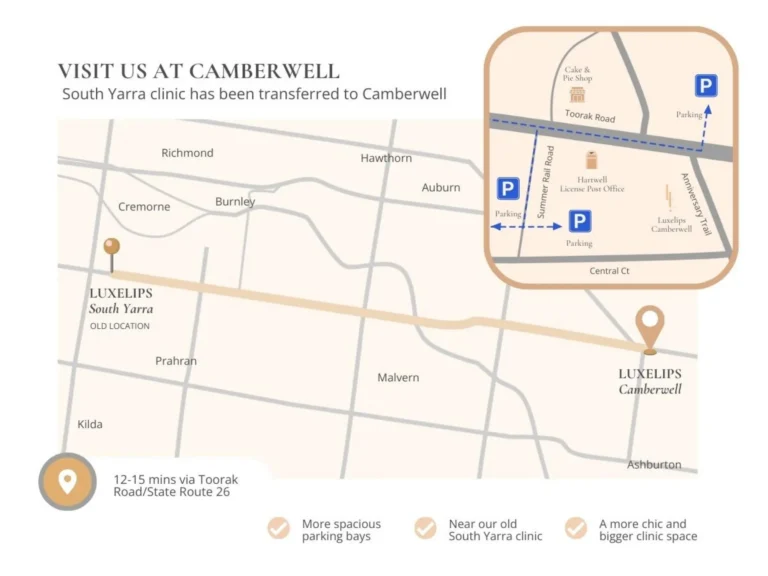
PicoSure tattoo laser removal is only available at out Camberwell clinic.
Your Luxe Lips Cosmetic Team

Dermal Clinician
Qualified Dermal Clinician, Bachelor of Dermal Sciences. Experience across skin treatments, laser and light technologies, with clinical precision from a background in pathology collection.

AHPRA: NMW0004024849
St. Luke’s Medical Center trained with a leadership background in advanced care. Focused on natural-looking, subtle results that celebrate each client’s unique features.

AHPRA: NMW0004060728
Registered Nurse with a Bachelor of Nursing and placements across surgical, aged care, mental health, and renal. Meticulous cosmetic nurse with a listening-first approach and time given at every step.

AHPRA: NMW0004017121
3+ years in high-acuity intensive care, Cum Laude nursing honours, and a Shining Star Award for patient care. Steady, patient-first approach with treatments tailored to your goals.

AHPRA: NMW0002779008
Master of Nursing Science (UniMelb), Royal Children’s Hospital. Former fashion industry background gives her a strong aesthetic eye for natural-looking results.

AHPRA: NMW0001759171
Practicing nursing since graduating in 2006, with experience at Royal Children’s Hospital. Master’s in Advanced Nursing Practice (Melbourne University), offering a holistic, patient-focused approach.

Dermal Clinician
Dermal Clinician with an Associate Degree in Applied Health Science (Distinction) and Diploma of Beauty Therapy. Warm, intuitive approach with plans tailored to each client’s skin and goals.

AHPRA: NMW0002001199
Surgical nurse background at Epworth Hospital. ED and HDU experience at Sandringham Hospital. Passionate about building client relationships and natural results.

AHPRA: NMW0004081704
Registered Nurse with years in Neuro Critical Care and Surgical ICU, Magna Cum Laude and Class Valedictorian nursing graduate. Thoughtful, listening-first approach tailored to your goals.

AHPRA: NMW0002837303
Registered nurse with experience in surgery, aged care in Queensland Health. Brings clinical precision and a personalised approach to enhance natural features.

DERMAL CLINICIAN
Certified Dermal Clinician, Bachelor of Applied Health Science (Clinical Aesthetics). 5+ years’ experience in skin and aesthetic treatments, specialising in acne, pigmentation, and rejuvenation.

Dermal Clinician
Dermal Clinician with an Associate Degree (Dermal Therapy) and Diploma of Beauty Therapy, completing a Bachelor in Clinical Aesthetics. Curious, considered approach to every skin plan.
Picosure tattoo removal aftercare support at Luxe Lips
Post-treatment support is part of the service at Luxe Lips. A 24/7 medical professional is available to answer queries after your appointment. If you have a concern about your healing, regardless of the time, call the clinic and press 1 to alert the team to a medical concern relating to your procedure.
If something concerns you before your follow-up, do not wait. Contact the clinic directly. For appointments, consultations, or general enquiries, visit luxelips.com.au or call the clinic during business hours.
Medical Disclaimer
The information on this page is intended as general guidance for patients who have received picosure tattoo removal treatment at Luxe Lips. It does not constitute medical advice. Every individual is different, and recovery experiences vary. If you are concerned about any aspect of your recovery, contact the Luxe Lips clinic directly rather than relying solely on this page. For urgent medical concerns unrelated to the procedure, contact your GP or call 000. Individual results may vary. No guarantee of specific outcomes is expressed or implied.
References
- Herd RM, Alora MB, Smoller BR, et al. A clinical and histologic prospective controlled comparative study of the picosecond titanium:sapphire (795 nm) laser versus the Q-switched alexandrite (752 nm) laser for removing tattoo pigment. Journal of the American Academy of Dermatology. 1999;40(4):603–606.
- Saedi N, Metelitsa A, Petrell K, Arndt KA, Dover JS. Treatment of tattoos with a picosecond alexandrite laser: a prospective trial. Archives of Dermatology. 2012;148(12):1360–1363.
- Bernstein EF, Schomacker KT, Basilavecchio LD, Plugis JM, Bhawalkar JD. Treatment of tattoo pigment with a novel 532 nm picosecond laser. Lasers in Surgery and Medicine. 2015;47(5):395–404.
- Kossida T, Rigopoulos D, Katsambas A, Anderson RR. Optimal tattoo removal in a single laser session based on the method of repeated exposures. Journal of the American Academy of Dermatology. 2012;66(2):271–277.
- Pour Mohammad A et al. (2023). A systematic review and meta-analysis of efficacy, safety, and satisfaction rates of laser combination treatments vs laser monotherapy. Lasers in Medical Science, 38(1), 228.
- Suh DH et al. (2025). An 18-year comprehensive safety study on microfocused ultrasound and monopolar radiofrequency combined with cosmetic injectables in 1,040 patients. Archives of Dermatological Research, 317(1), 251.
- Weinkle SH et al. (2018). Impact of comprehensive, minimally invasive, multimodal aesthetic treatment on satisfaction with facial appearance: The HARMONY Study. Aesthetic Surgery Journal, 38(5), 540-556.
- Tam E et al. (2025). A systematic review on the effectiveness and safety of combining biostimulators with botulinum toxin, dermal fillers, and energy-based devices. Aesthetic Plastic Surgery, 49(10), 2809-2833.