Rejuran for Scars Melbourne
Rejuran S for Facial Acne Scarring
Many patients enquire about acne scarring concerns such as rolling or boxcar texture, localised scar patches, or skin that still feels rough after acne has settled. Rejuran for Scars Melbourne consultations at Luxe Lips focus on understanding what type of scarring you have and whether Rejuran S (a scar-specific polynucleotide) is a suitable option as part of a staged plan.

1,676+
FIVE-STAR REVIEWS
ACROSS ALL MELBOURNE SITES50,000+
TREATMENTS PERFORMED
24/7
Real person chat
3
MELBOURNE CLINICS
Understanding Acne Scarring
Acne scarring happens when inflammation affects the skin’s normal collagen repair processes – and Rejuran S is a scar-specific polynucleotide treatment that may be considered as part of a plan to support skin quality and may help improve the appearance of some scar textures over time. Many patients present with concerns about uneven texture, visible depressions, and makeup sitting differently across scarred areas, and they want options that feel measured and medically-governed.
Acne scars most often develop when a blemish becomes inflamed enough to affect deeper skin structures. During healing, your body lays down collagen to repair the area. If too little collagen is produced, the surface can heal with a depression (common in atrophic scars such as rolling and boxcar scars). If too much collagen is produced, the result can be a raised scar (hypertrophic). Pigmentation marks can also remain after acne, but these are not true scars.

ROLLING / BOXCAR
shallow-to-moderate atrophic depressions creating uneven texture
LOCALISED PATCHES
a smaller number of scars often on cheeks or temples
TEXTURE & EARLY CHANGE
rough or uneven skin after acne has settled
PIGMENT OVERLAP
post-acne discolouration assessed alongside true scarring
Rejuran S is part of the Rejuran polynucleotide range and is formulated for scar-focused concerns. Polynucleotides (PN) are bioactive molecules used in aesthetic skin rejuvenation treatments and are studied for their role in supporting tissue repair and skin quality. In clinic, Rejuran S is typically discussed during consultation as one part of a broader scar plan that may also include energy-based treatments (for example, fractional laser or RF microneedling) depending on scar type and skin tone.
Rejuran S may be used as part of a treatment approach aimed at supporting the skin’s repair environment. Clinically, it’s often chosen to help improve the look of texture and support gradual skin quality changes, rather than aiming for a dramatic change after a single session. Individual results may vary, and suitability depends on your medical history, scar type, and skin assessment.
Rejuran for Scars Areas / Options (Face)
Rejuran S may be considered in different ways across the face depending on scar pattern, skin thickness, and whether your concern is localised or more diffuse. Many patients worry they’ll be offered a one-size approach, but scar work is generally more consistent when it is mapped carefully and tailored to the individual.
Below are common planning “options” we may discuss for facial acne scarring. Your clinician will confirm what is suitable after assessment.
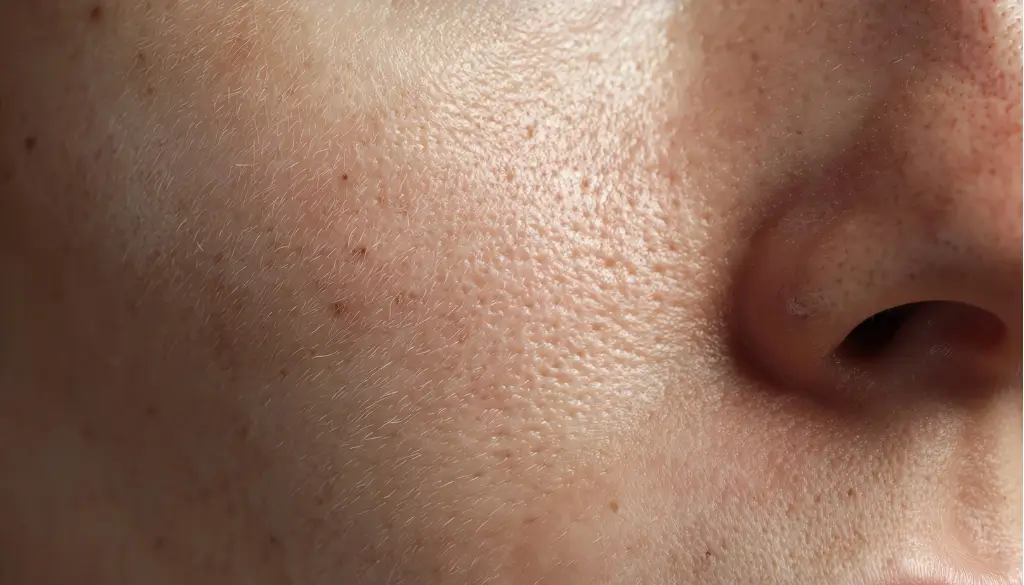
Many patients present with shallow-to-moderate depressions that create uneven texture, especially in side lighting. These scars often benefit from a staged plan that aims to support dermal remodelling over time rather than a single-session approach.
Rejuran S may be considered as part of a tailored scar plan to support skin quality and improve the appearance of texture. It is often discussed alongside other modalities depending on scar depth and skin tone.
 Scar pattern, depth, and distribution
Skin tone and reactivity to manage risk
Whether a series of sessions is appropriate for your scars
How a staged plan may unfold across review appointments
Combination options that may complement Rejuran S where suitable
Scar pattern, depth, and distribution
Skin tone and reactivity to manage risk
Whether a series of sessions is appropriate for your scars
How a staged plan may unfold across review appointments
Combination options that may complement Rejuran S where suitable - “Will it look obvious right after?”
- “Is it suitable for my skin tone?”
- “Do I need multiple sessions?”
- “Can it be combined with other scar treatments?”
- May help soften the look of uneven texture over time
- Skin quality changes are typically gradual
- A plan may involve multiple sessions depending on scar pattern
- Outcomes vary – scarring rarely disappears completely
- Active acne may need to be stabilised first
- Combination planning (laser/RF microneedling) may be discussed case-by-case
- Post-treatment redness/bumps can occur temporarily
- Conservative staging helps manage reactivity
- People with texture concerns from past acne
- Those wanting a measured, natural-looking plan
- Patients open to a staged approach
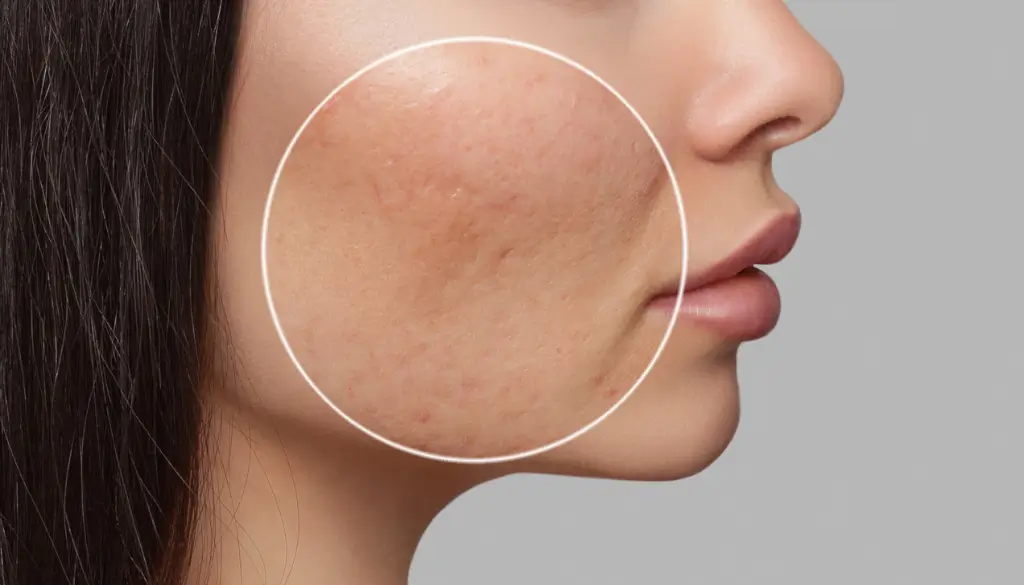
Some patients present with a small number of scars that bother them more than the rest – often on cheeks or temples. The concern here is usually precision: treating only what needs treating, without unnecessary intervention elsewhere.
Rejuran S may be considered in a targeted way to support local skin quality, depending on scar type and skin behaviour. Your medical professional will assess whether spot planning is appropriate or whether a broader texture plan is likely to look more even.
Whether spot planning is suitable or a broader plan would look more even
Skin thickness differences across the area you want addressed
Symmetry and blending considerations
Downtime tolerance and your schedule
Review points to adjust the plan as the skin responds - “Can we treat just these scars?”
- “Will it affect surrounding skin?”
- “Will I have visible bumps afterwards?”
- “How do we keep it natural?”
- A plan that prioritises symmetry and blending
- Gradual softening rather than instant change
- Review points built in to adjust the plan
- Individual results may vary
- Some scar types (e.g., very narrow/deep) may need different modalities
- Skin thickness varies by area – cheeks vs temples vs jawline
- Combination treatments may be discussed for best balance
- Downtime planning depends on your schedule
- Patients with localised scars
- People wanting a minimal, staged approach
- Those who prefer shorter downtime windows

Patients often present after acne has settled but the skin still feels “rough” or uneven, with a mix of pores, texture, and early scar change. The common concern is knowing whether it’s truly “scars” or broader skin quality.
Rejuran S may be considered as part of an adjunctive plan to support overall skin quality, especially when the goal includes improving the appearance of texture. This is where a consultation matters most – because the plan may shift toward energy-based treatments, skincare optimisation, or a combination depending on what we see.
Whether your concern is true scarring, pigmentation, or general texture
Skin barrier health and current skincare routine
Whether energy-based treatments may be more suitable as a starting point
How combination plans may be sequenced clinically
Sun protection and timing around upcoming events - “Is this scarring or pores?”
- “Will I need time off work?”
- “Can I keep my skincare routine?”
- “How do we avoid irritation?”
- A focus on overall texture and skin quality
- A plan that may include combination options
- Conservative progression with review points
- Outcomes vary by skin type and scar pattern
- Skin barrier health matters – we may adjust actives temporarily
- Sun protection is essential for scar plans
- If redness is a major component, other modalities may be better suited
- Your clinician will discuss timing around events
- People wanting skin quality support alongside scar work
- Those open to multi-step plans
- Patients who prefer conservative, review-led care
Your Consultation Covers All of These Options.
We’ll assess your suitability and discuss a plan together – no commitment required.
How We Help – Your Consultation Comes First
Your journey starts with a consultation, not a treatment – because acne scarring requires careful assessment (scar type) before it needs a product or device. Many patients come in unsure whether their concern is “true scarring”, post-inflammatory pigmentation, enlarged pores, or a mix – and the plan changes depending on which it is.
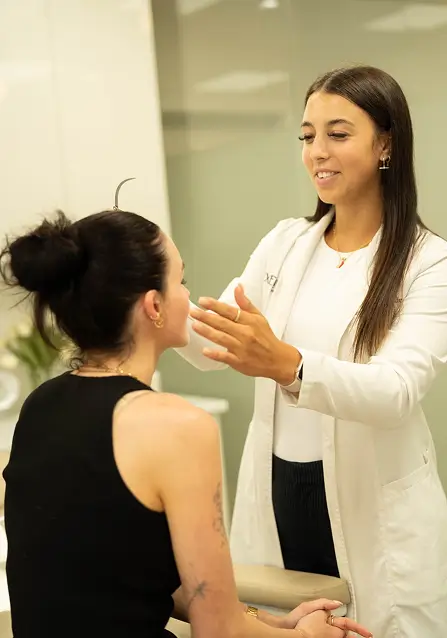
What we cover in your consultation
MEDICAL HISTORY AND SKIN HISTORY
including acne activity, medications, and previous scar treatments
SCAR-TYPE ASSESSMENT
rolling, boxcar, ice-pick, raised scars, pigmentation overlap
SKIN TONE AND REACTIVITY ASSESSMENT
important for risk management
YOUR PRIORITIES
texture, pores, redness, makeup-sit, downtime tolerance
TREATMENT PLANNING
what to start with, what to stage later, what to avoid
AFTERCARE PLANNING
work/social schedule, exercise, skincare compatibility
Here's what to expect from your first consultation through to follow-up – so you can come in informed, unhurried, and clear on what's involved at every stage.
Before Your Appointment
WHAT TO BRING & KNOWBefore any scar-focused treatment, we start by clarifying what you’re seeing (true scarring vs pigmentation vs texture) and what your skin is likely to tolerate. Many patients present worried they’ll be pushed into a plan too quickly, or they’re unsure which options are appropriate for their skin tone and scar type.
Review medical history and current medications/supplements
Discuss your acne history (active vs settled) and previous treatments
Assess scar types and distribution (e.g., rolling/boxcar patterns)
During Treatment
WHAT TO EXPECTDuring scar-focused treatment, most patients want two things: comfort measures and clear communication. It’s normal to feel cautious – particularly if you’ve had sensitive reactions in the past or you’re nervous about visible post-treatment changes.
Regular comfort check-ins throughout
Clear explanation of what we’re doing and why
The option to pause or slow down if you feel overwhelmed
A conservative approach that prioritises natural-looking, staged change
Aftercare & Follow-Up
WHAT HAPPENS NEXTAftercare matters because scar plans are cumulative – the goal is to support your skin as it recovers between sessions. Many patients worry about redness, small bumps, or whether they can return to work and exercise quickly, so we give you written aftercare guidance tailored to your plan.
Follow your clinician’s written instructions for cleansing and skincare
Avoid picking or rubbing the treated area
Use daily broad-spectrum SPF (important for scar and pigmentation management)
If you’re unsure about a reaction, message us – we’d rather you ask early
Treatment Is a Process, Not a Single Decision
Acne scarring tends to become more noticeable when inflammation has been significant, and texture changes can look different over time as collagen naturally changes with age. Clinically, scars don’t usually “spread”, but lighting, skin thinning, and collagen changes may make texture easier to see. Research suggests collagen production decreases by approximately ~1% per year after age 30, which can influence how skin reflects light and how texture is perceived.

Scar-focused treatments are typically planned as a series with review points, because visible changes occur gradually and require monitoring over time. A consultation helps you understand where you are in this timeline, what type of scarring you have, and which options may be suitable for your skin tone and downtime tolerance.
CLIENT REVIEWS
What our clients say



Explore More Treatment Options
This page focuses specifically on consultation-led Rejuran S planning for facial acne scarring. If you’re exploring broader scar, skin quality, or pigment concerns, the pages below cover related conditions and approaches at Luxe Lips.
Acne Scarring Melbourne
The broader assessment framework for acne scarring across multiple modalities
Skin Rejuvenation Melbourne
Skin quality, hydration, and texture support that often complements scar plans
Pigmentation & Dark Spots Melbourne
Post-acne discolouration and pigment overlap commonly assessed alongside scarring

Morpheus8 RF microneedling
a device-based treatment that may support texture and firmness, suitability assessed clinically

Fotona laser rejuvenation
a laser-based option used for resurfacing and collagen-related processes, tailored to skin tone

PicoSure laser
a laser-based option often discussed for pigment and skin quality concerns alongside scar work

Bioremodelling treatments
skin hydration and quality support discussed during consultation, not scar-specific

Collagen-stimulating treatments
collagen-supporting approaches considered case-by-case for skin quality over time
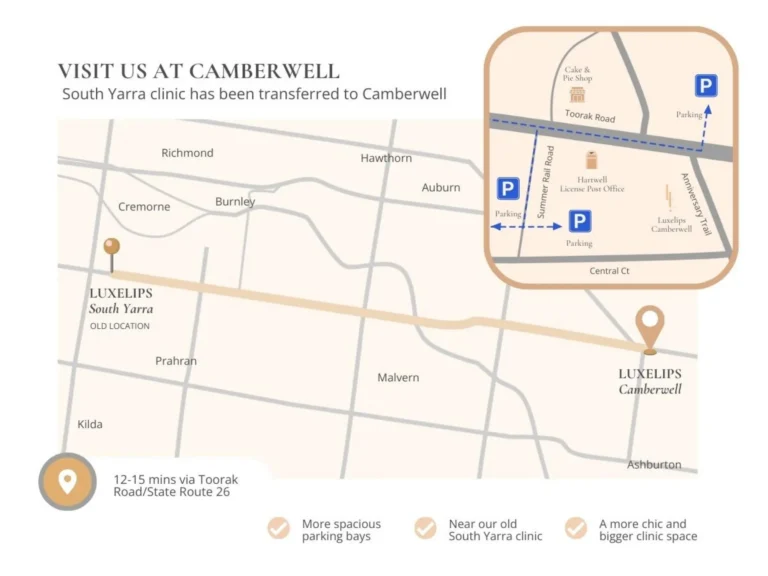
3 accessible clinic locations across Melbourne
All locations
Camberwell
1172 Toorak Rd, Camberwell VIC 3124, Australia
+61 477 441 340 Book an in-clinic consultationMoonee Ponds
32 Holmes Rd, Moonee Ponds VIC 3039, Australia
+61 477 441 340 Book an in-clinic consultationHave Questions? Your Consultation Is a Good Place to Start.
Frequently Asked Questions
SAFETY & SUITABILITY
Is Rejuran S safe for acne scarring? 
Who is a good candidate for Rejuran for scars?
What are the possible side effects?
RESULTS & TIMELINE
Will Rejuran help my acne scars?
How long does it take to see changes?
How long do results last?
AFTERCARE & LOGISTICS
Is there downtime after Rejuran S?
Can I exercise after my appointment?
How much does Rejuran for scars cost in Melbourne?
CHOICE ARCHITECTURE
What’s the most common starting point at Luxe Lips for acne scarring?
Should I start with Rejuran S or another scar treatment?
FEAR-ADDRESSING
I’m worried I’ll look unnatural or “overdone” – is that a risk?
I’ve read scary stories online – should I be worried about sedation or strong pain relief?
What if I don’t like how my skin looks afterwards?
COMPARISON
Rejuran S vs laser or RF microneedling for acne scars – what’s the difference?
Send an Enquiry
Have a question or want to learn more? We'd love to hear from you.