Key Takeways
- PicoSure laser treatment may be used for a range of skin concerns, including pigmentation, sun damage, uneven texture, acne scarring, and tattoo removal.
- PicoSure is rarely a single session. Most concerns are addressed through a structured plan, with the number of sessions varying by concern and individual response.
- Whether PicoSure is suitable depends on skin tone, skin condition, medical history, and the concern being addressed, and is determined during consultation with a qualified medical professional.
PicoSure is a picosecond laser technology used in cosmetic clinics across Australia and internationally.
Unlike older laser systems, it operates at a fundamentally different speed and energy delivery method, which is central to understanding why it tends to come up in conversations about skin treatment.
This guide covers what PicoSure treatment involves: the concerns it may be used for, what a session is like, how treatment is planned, and whether it is right for you.
What skin concerns will PicoSure address?
PicoSure is a non-ablative laser used for a range of skin concerns. What it may suit is individual and determined through clinical assessment.
Pigmentation and sun damage: PicoSure is designed to target melanin-based concerns in the treatment area. This includes sun spots, age spots, and uneven skin tone that develops over time through UV exposure. The pressure-based mechanism may help to break down pigmented cells, allowing the body to process and clear them naturally.
Skin texture and tone: Uneven texture, enlarged pores, and general skin quality concerns are areas where PicoSure may assist. The device is designed to stimulate the skin’s natural collagen and elastin production, which over time may contribute to an improvement in overall skin presentation.
Acne scarring: For scarring left behind by acne, PicoSure’s pressure-based delivery may help to address textural irregularities in the treatment area. Response varies significantly between individuals and depends heavily on scar type, depth, and baseline skin condition.
Tattoo removal: PicoSure has a well-established role in tattoo removal and is designed to break down ink particles across a broad spectrum of colours. The number of sessions required varies depending on ink density, colour complexity, and individual response.
What to expect during a PicoSure session
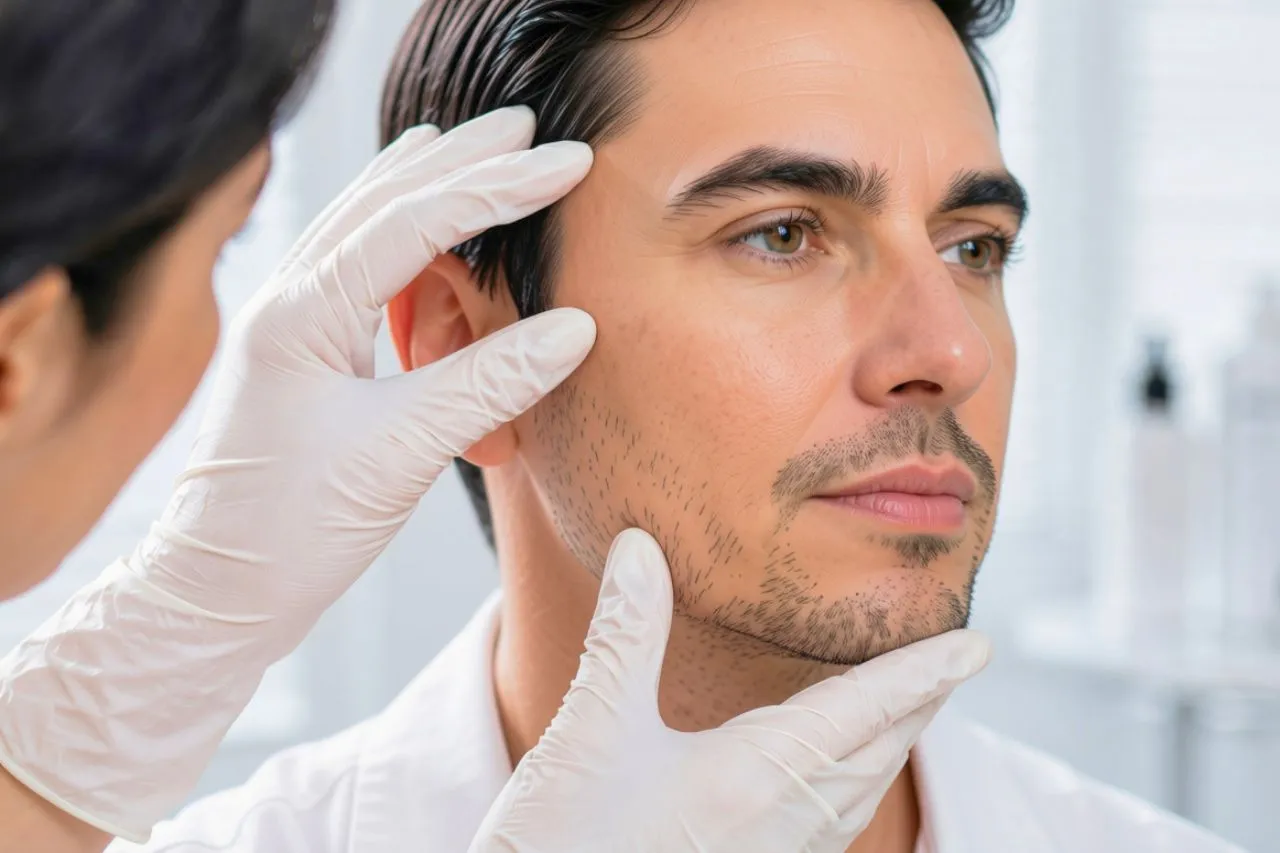
A PicoSure session begins with a clinical assessment of the treatment area. This allows the practitioner to confirm the approach, adjust device settings to suit your skin, and address any questions before proceeding.
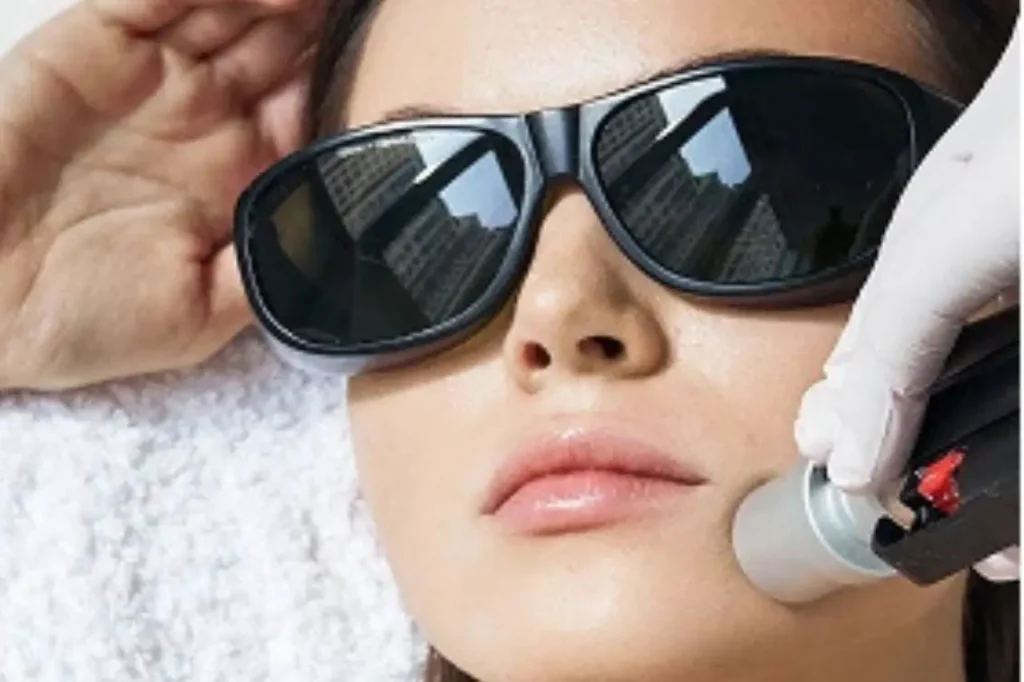
During the session, the device is passed over the treatment area delivering its rapid pulses of energy. Most people describe the sensation as a series of brief snapping feelings against the skin. Tolerance varies from person to person, and comfort management options can be discussed during your consultation.
Session duration depends on the size and nature of the treatment area. A small area of pigmentation may take considerably less time than a full facial treatment or tattoo removal session.
For patients considering Picosure laser treatment, a clinical consultation is required to determine whether the treatment may be appropriate based on your expectations and overall suitability.
Your PicoSure treatment plan
PicoSure is rarely a single session. Most concerns are addressed through a structured plan shaped by the individual concern, baseline skin condition, and how the skin responds over the course of treatment.
The number of sessions varies between individuals. A small area of sun damage is a different starting point to acne scarring or tattoo removal, and each is planned on an individual basis.
Progress is reviewed between sessions, which allows the medical professional to assess response and adjust the plan. Treatment planning is tailored to the individual rather than set in advance.
In Australia, a consultation is required before laser treatment. Suitability is assessed and the plan is developed during that consultation.
Is PicoSure right for your skin?
That’s a difficult question to answer without understanding your individual circumstances. PicoSure is a laser platform with a broad range of potential applications, but broad does not mean universal suitability.
Skin tone, skin condition, the nature of the concern being addressed, medical history, and current medications all play a role in determining whether PicoSure is a clinically appropriate consideration. Some people may be suitable candidates, while others may be better suited to a different approach, or to a combination plan that includes complementary treatments. In some cases, treatment may not be appropriate at all.
There is no checklist that reliably answers this question from the outside. The variables are highly individual and often interconnected, which is why assessment is required before any decision is made.
Professional standards at Luxe Lips
At Luxe Lips, a cosmetic clinic in Melbourne, our care is grounded in medical ethics and quiet clinical responsibility. Every treatment pathway is approached as a medical process, with established health protocols and safety guiding each step.
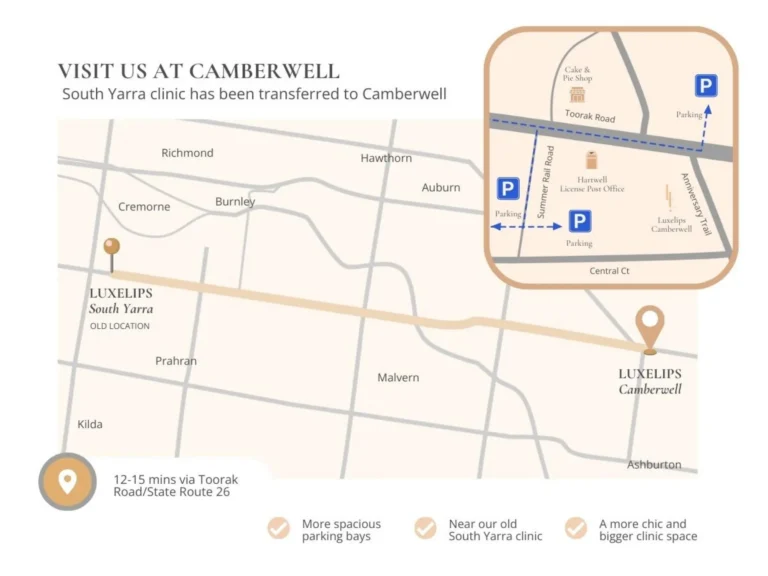
Across our clinics in Moonee Ponds, Camberwell, and Brighton, our medical professionals carry out a thorough screening process for every person. For those considering PicoSure laser treatments, this includes reviewing medical history, assessing anatomical suitability, and considering psychological readiness. In line with local guidelines, this evaluation helps determine whether a proposed plan aligns with your health.
Medical professionals proceed only when a treatment is clinically appropriate. If your underlying concern, the condition of the surrounding skin, or your broader health profile means PicoSure isn’t the right fit, we will explain why and discuss what that means for you. The focus is always on clear information and maintaining a clinical environment where safety and ethical standards come first.
Because responses and circumstances vary, a consultation is required to determine suitability before PicoSure laser treatments are considered.
Questions we’re often asked about PicoSure laser treatment
Most people describe the sensation as a series of brief snapping feelings against the treatment area. Tolerance varies considerably from person to person, and the nature of the treatment area itself can influence how the session feels. Comfort management options are available and can be discussed as part of your pre-treatment planning.
Discomfort is a real consideration with any laser procedure and should be part of an open conversation with your practitioner before you proceed.
If you have concerns about comfort during treatment, raise them during your consultation so the approach can be planned accordingly.
PicoSure does not deliver permanent outcomes across all concerns and all individuals. Results depend on the nature of the concern being addressed, baseline skin condition, lifestyle factors such as sun exposure, and how the skin responds over time. Some concerns, such as tattoo removal, may produce longer lasting changes than others.
Skin continues to age and respond to environmental factors regardless of treatment, which naturally influences how results evolve.
A consultation with a qualified practitioner will give you a realistic picture of what may be achievable for your specific circumstances.
PicoSure has an established role in tattoo removal and is designed to break down ink particles across a broad spectrum of colours, including blues and greens that older laser systems have historically struggled with. The pressure-based mechanism shatters ink into particles small enough for the body to process naturally over time.
Response varies depending on ink density, colour complexity, tattoo age, and individual biology. Outcomes cannot be predicted uniformly across patients.
A consultation is required to assess your specific tattoo and determine whether PicoSure is the most appropriate approach for your circumstances.
PicoSure is designed to target melanin-based pigmentation in the treatment area, and may assist in addressing concerns such as sun spots, age spots, uneven skin tone, and certain forms of deeper pigmentation. Research published in the Australasian Journal of Dermatology has examined picosecond alexandrite laser technology in the context of pigmentation management, noting that individual response and skin type are significant variables.
Pigmentation is a complex area, and not all types respond in the same way or to the same degree.
Whether PicoSure is appropriate for your pigmentation concern is a clinical question best answered in person by a qualified medical professional.
PicoSure may form part of a broader treatment plan depending on individual skin concerns, goals, and clinical assessment. Whether it is used alone or alongside complementary approaches is a decision made by the treating practitioner based on what is most appropriate for the person in front of them. No combination should be assumed suitable without proper evaluation.
Australian health regulations require that laser treatments are delivered by appropriately qualified practitioners who assess suitability on an individual basis, which includes decisions around treatment combinations.
If you are curious about how PicoSure might fit within a broader skin plan, that conversation starts with a consultation.