Key takeaways:
- Facial volume loss is structural, not just surface level. Bone resorption, fat pad deflation, and collagen decline are all happening simultaneously and often begin earlier than most people expect. Understanding what is actually driving the change matters before deciding how to approach it.
- Some prevention habits have genuine evidence behind them and are worth maintaining. Daily SPF is the single most impactful, with strong clinical backing. Diet, sleep, stress management, and evidence-based topical ingredients like retinoids and vitamin C all play a supporting role, but none of them stop the underlying process.
- Prevention has a natural ceiling. There is a point where lifestyle and skincare alone cannot address what is happening beneath the surface, and the conversation shifts from slowing change to working with it. Knowing where that line is helps you make a more informed decision about what comes next.
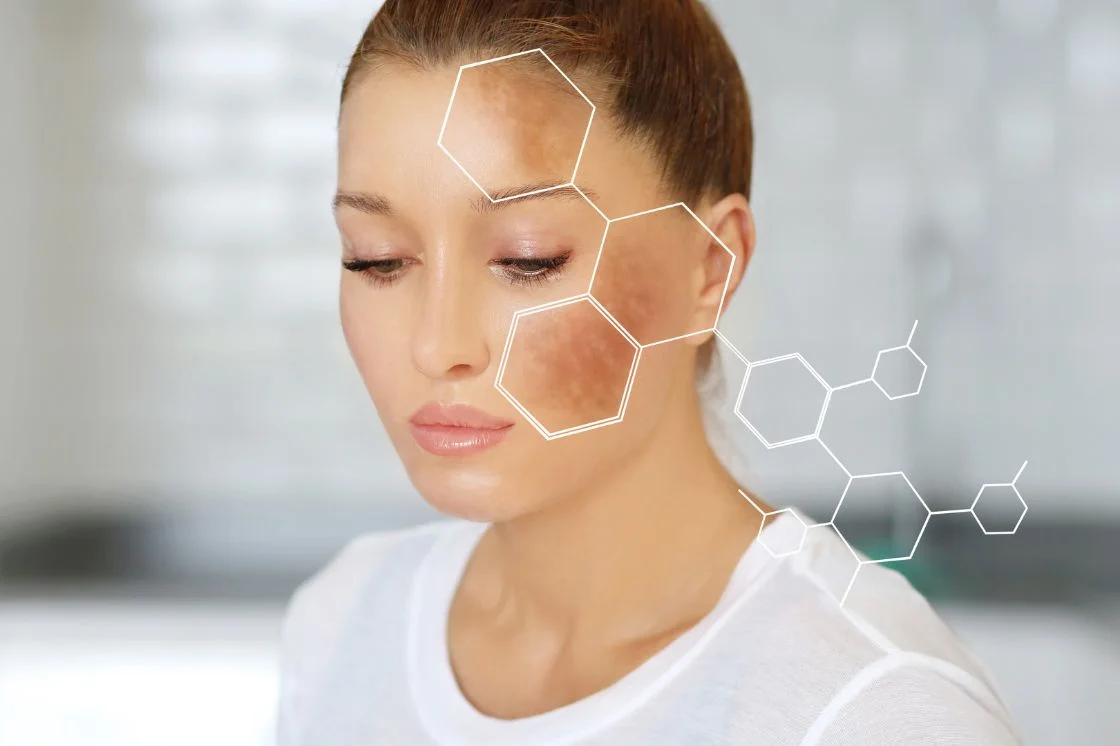
Most people notice these changes gradually. A hollowness at the temples. Changes in cheek fullness that may not have been there before. The face can begin to look different over time in ways that are not always explained by fatigue alone, because many of the changes occurring are structural. Changes in facial volume occur beneath the surface over time, often beginning earlier than many people expect.
The practical question is: are there ways to support facial structure and skin quality over time? The short answer is yes, within limits. Understanding what contributes to facial volume changes is important before exploring what may or may not influence them.
This post covers the structural causes of facial volume loss, the lifestyle and skincare habits that have genuine evidence behind them, why those habits have a natural ceiling, and what the conversation looks like when prevention has done its job.
Is facial volume loss preventable?
Not entirely, but you can influence how quickly it shows. This is the honest answer, and it is worth understanding before spending money on products or treatments that promise more than they can deliver.
Facial volume loss is driven by structural change beneath the surface, shifts in bone, deeper fat, and collagen that happen gradually over time that often begin earlier than most people expect. Because those changes are structural, no serum or habit stops them completely. What lifestyle and skincare can do is slow the visible rate of change.
If you have spent your life getting annoyed every time you heard: “Make sure you use sunscreen”, or “Moisturise daily”, you’re not alone. Just know they were right the entire time.
The daily habits that can help have genuine evidence behind them, but they work by slowing the process, not halting it. While realistic prevention is achievable, there comes a time where prevention only goes so far and treatment options may need to be considered.
How to prevent facial volume loss
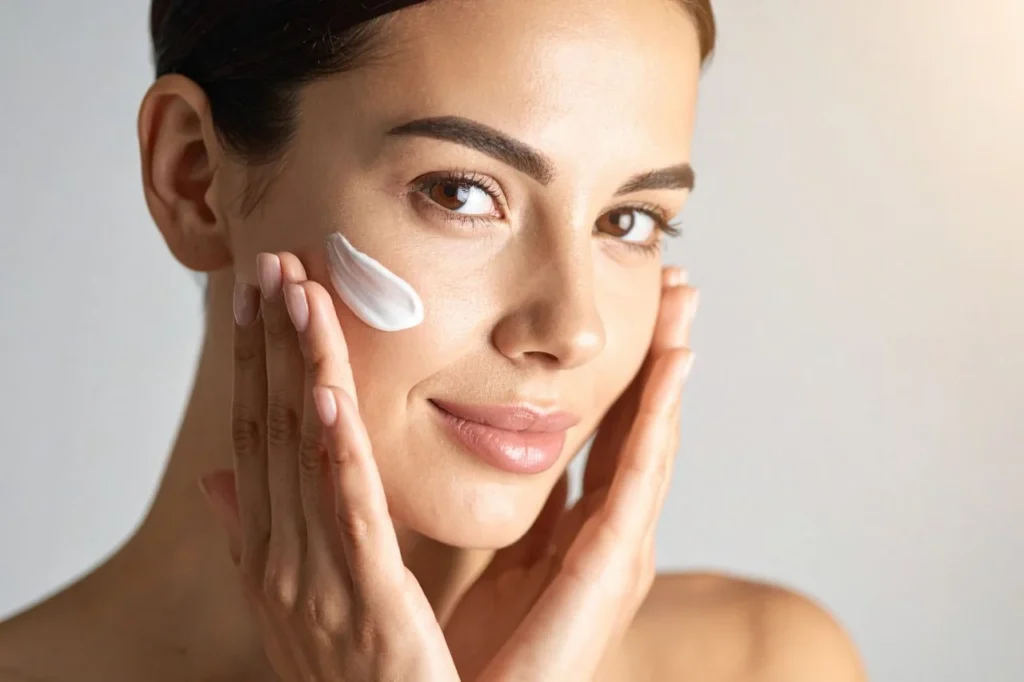
Prevention works best when it’s understood honestly. These habits may help slow the process, but they do not stop the underlying drivers that contribute to facial volume loss. But slowing the visible effects can still be worthwhile, and some of these habits have strong clinical evidence behind them.
SPF Is the single most important daily habit
UV exposure is one of the strongest contributors to accelerated collagen degradation. A landmark randomised controlled trial, the Nambour Skin Cancer Prevention Trial, conducted in Queensland, Australia, found that daily broad-spectrum sunscreen use measurably reduced skin ageing over several years compared to inconsistent use.
UVA radiation degrades collagen by triggering enzymes (matrix metalloproteinases) that break it down. Daily SPF 50+ is not a cosmetic preference; it is one of the most evidence-supported daily habits for slowing the rate of visible facial ageing.
Diet and nutrition
Nutrition affects the building blocks of collagen and the body’s inflammatory state. Foods that support collagen production include those high in vitamin C (found in citrus, capsicum, leafy greens), zinc, and amino acids from protein sources. Antioxidant-rich foods like berries, green tea, and vegetables, help mitigate oxidative stress, which contributes to cellular ageing.
Hydration
Hydration is often overstated in relation to facial volume loss at cosmetic clinics. Drinking adequate water cannot reverse or replace lost structural fat pads, degraded collagen, or bone resorption. However, staying hydrated will act as the fundamental logistic support network that keeps existing fat pads healthy and bone tissue resilient.
Sleep and stress management
Cortisol, the primary stress hormone, accelerates collagen breakdown and inflammatory ageing when chronically elevated. Poor sleep similarly raises cortisol and impairs the body’s overnight repair processes. The evidence here is mechanistic rather than clinical trial-level, but the relationship between chronic stress, poor sleep, and accelerated visible ageing is well-established.
These are worth addressing not for their cosmetic effect alone, but because they affect multiple health systems simultaneously.
Topical ingredients with genuine evidence
Not all skincare ingredients have equal evidence. The ones with meaningful clinical backing include:
- Retinoids – the most studied topical ingredient for skin ageing. Prescription-strength tretinoin has strong evidence supporting collagen synthesis and improvements in skin texture. Over-the-counter retinol has a more modest evidence base, but still shows measurable effects on skin renewal and collagen support with consistent use.
- Vitamin C – an antioxidant that also plays a direct role in collagen synthesis. Well-formulated topical vitamin C has evidence supporting its role in reducing oxidative stress and supporting skin structure.
- Peptides – signal proteins that may support collagen production; evidence is still developing and generally less robust than for retinoids, though early findings are promising with consistent use.
What topicals cannot do is significantly influence deeper structural facial changes such as bone resorption or shifts in facial fat distribution. Their influence is only on the visual layer of the skin.
Makeup techniques
Contouring makeup creates the visual impression of definition and structure without changing anything physically. For someone managing the early appearance of volume changes, it is a practical tool for working with the face’s current appearance.
Why there’s a ceiling to prevention
Topical products and lifestyle habits have limitations when deeper facial changes involve bone, facial fat distribution, and collagen architecture. Prevention may help slow the rate of change, but it does not stop the underlying ageing process.
This is not pessimistic framing, it is an honest one. The point of prevention is to support skin and facial health and help slow the visibility of age-related changes. People who are consistent with sun protection, nutrition, and evidence-backed skincare often notice differences in skin quality compared with inconsistent routines.
But there can come a point where deeper facial structural changes play a larger role than skin quality alone. At that stage, the conversation often shifts from prevention toward broader approaches. This is where facial contouring, and what it is, becomes a more relevant question than what serum to add to a routine.
Professional options
Professional options are sometimes considered alongside lifestyle and skincare approaches when deeper facial changes are being discussed. The distinction is important: professional treatment approaches are different from preventative skincare and lifestyle strategies because they may involve deeper facial structures rather than surface-level skin changes alone.
Treatment categories in this space fall broadly into volume-based approaches (which work with facial fullness and support), skin-quality approaches (focused on the skin layer itself), and lifting approaches (which work with soft tissue positioning). The most appropriate approach depends on the factors contributing to change in a given person’s face, including their anatomy, facial structure, age, and health history.
The same principle applies here as in all cosmetic treatment: there is no standard protocol. What looks like “volume loss” in one person may be primarily driven by bone resorption; in another, by fat pad deflation; in another, by a combination of both plus skin quality changes. Each of those presentations calls for a different approach.
Professional standards at Luxe Lips
At Luxe Lips, a cosmetic clinic in Melbourne, our care is grounded in medical ethics and quiet clinical responsibility. Every treatment pathway is approached as a medical process, with established health protocols and safety guiding each step.
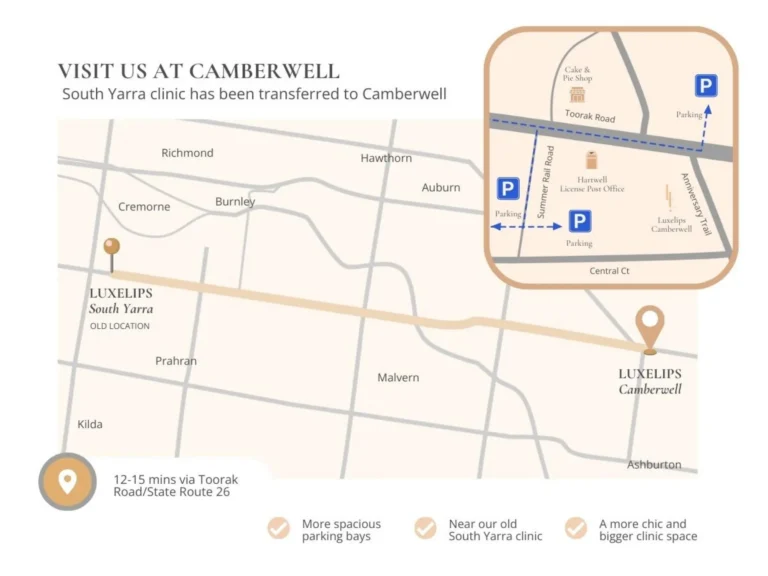
Across our clinics in Moonee Ponds, Camberwell, and Brighton, our medical professionals carry out a thorough screening process for every person. For those considering facial contouring, this includes reviewing medical history, assessing anatomical suitability, and considering psychological readiness. In line with local guidelines, this evaluation helps determine whether a proposed plan aligns with your health.
Medical professionals proceed only when a treatment is clinically appropriate. If your underlying concern, the condition of the surrounding skin, or your broader health profile means facial contouring isn’t the right fit, we will explain why and discuss what that means for you. The focus is always on clear information and maintaining a clinical environment where safety and ethical standards come first.
Because responses and circumstances vary, a consultation is required to determine suitability before any facial contouring treatment is considered.
Questions we’re often asked about how to prevent volume loss in face
This is a popular idea, but the evidence does not support it as a way to prevent volume loss. Facial exercises target muscle, whereas volume loss is driven by changes in bone, deeper fat, and collagen, layers that facial movement does not meaningfully influence. Building or toning a muscle does not restore or protect the structures actually being lost.
Facial massage has its own benefits. It can support circulation and lymphatic drainage and simply feels good, but temporary changes in appearance after a massage are not the same as slowing structural change.
Neither is harmful, but relying on them alone for prevention tends to lead to disappointment when the underlying process continues regardless.
Earlier than most people expect. Research suggests that some of the structural changes associated with facial volume loss, including bone resorption and changes in facial fat distribution, can begin in the mid-to-late twenties and continue through the thirties, even if the visible effects don’t become noticeable until later.
The facial changes noticed later in life may reflect structural changes that have been developing gradually for many years. This is part of why prevention habits are often most effective when established early, and why the changes people notice can feel sudden even though the underlying process has been gradual.
A consultation can help clarify which factors may be contributing to changes in your face specifically.
They are related but not the same thing, and the distinction matters when deciding how to approach either. Volume loss refers to a reduction in fullness, where deeper fat and structural support diminish and the face can appear flatter or more hollow. Sagging refers to soft tissue descending, where skin and tissue that were once higher on the face shift downward.
The two often happen together and can influence each other, as lost underlying volume gives skin less to sit on, which can make descent more noticeable. Because they are different processes, they are not necessarily addressed the same way, which is one reason a proper assessment looks at both rather than treating every change as the same problem.
Retinoids, including prescription tretinoin and over-the-counter retinol, have one of the strongest evidence bases among topical ingredients used for skin ageing. They are understood to support collagen synthesis, influence cell renewal, and help reduce the activity of enzymes involved in collagen breakdown.
Vitamin C has supportive evidence as an antioxidant and collagen co-factor. Peptides also show promise, though the evidence base remains less robust than for retinoids. What all of these share is an effect primarily at the skin level rather than deeper facial structures. For concerns relating to broader facial structural changes, a clinical consultation can help clarify what factors may be contributing.
Speak with our team if you’d like to understand how skincare and clinical treatment work together.
The shift is often noticed when changes relate less to skin texture or surface quality alone and more to broader facial structure and contour. Changes in fullness through the temples or midface.
A jawline that appears softer despite consistent skincare and lifestyle measures. A tired appearance that has no surface explanation. When deeper facial structures are contributing to the change, different treatment approaches may be considered depending on the individual situation. A professional assessment can help clarify the factors contributing to the changes being noticed and whether treatment is appropriate.
There is no pressure to proceed, a consultation is information, not a commitment.
If you are considering treatment, a consultation can help determine what approaches may be relevant to your situation.