PRF Treatment Aftercare: Platelet-Rich Fibrin Recovery Guide
Your complete recovery guide from the Luxe Lips clinical team
Educational Resource — This page provides general aftercare guidance for patients who have received prf treatment. It does not constitute medical advice. If you have any concerns about your recovery, contact the Luxe Lips clinic directly.

Platelet-rich fibrin (PRF) treatment involves using a small sample of your own blood as part of an injectable procedure commonly used in aesthetic medicine.
Because PRF is autologous, meaning it is derived from your own blood, the risk of allergic reaction is considered low. This guide explains what to expect after PRF treatment, including typical recovery timelines and general guidance on treatment planning. Every PRF treatment is tailored to the individual. The injection sites, volume, and depth are all determined by your specific anatomy, concerns, and goals.
Before your PRT treatment appointment
STAY WELL HYDRATED BEFORE YOUR APPOINTMENT
Hydration can influence the ease of the blood draw. Drink plenty of water in the 24–48 hours leading up to your appointment. Well-hydrated veins are easier to access, which may make the blood draw more comfortable.
AVOID NSAIDS AND ASPIRIN FOR ONE WEEK BEFORE
Non-steroidal anti-inflammatory drugs (such as ibuprofen, naproxen, and aspirin) may influence platelet activity and clotting. For this reason, these medications are generally avoided for at least seven days before treatment unless advised otherwise by your doctor. Paracetamol is commonly used as an alternative for pain relief during this period. If you take prescribed blood-thinning medication, discuss this with your practitioner before booking.
AVOID ALCOHOL FOR 48 HOURS BEFORE
Alcohol may contribute to dehydration and may increase the likelihood of bruising. Avoid all alcohol for at least 48 hours before your PRF appointment.
EAT A PROPER MEAL BEFORE YOUR APPOINTMENT
A blood draw on an empty stomach increases the risk of lightheadedness or fainting. Eat a balanced meal 1–2 hours before your appointment. A meal containing protein and complex carbohydrates is often recommended.
What to expect immediately after treatment
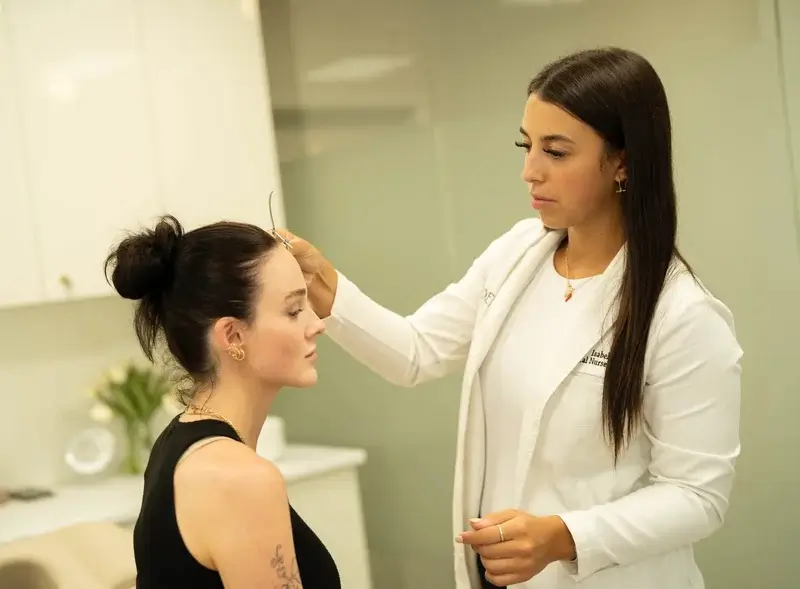
Your PRF appointment typically involves three stages: a blood draw from your arm, processing of the blood using a centrifuge, and injection of the prepared PRF into the treatment area.
After the procedure, bruising may occur at two locations — the blood draw site on your arm and the injection sites on your face (or scalp if treating hair concerns).
This bruising is commonly observed and often settles within 5–10 days. Swelling at the injection sites is common, particularly when treating the under-eye area or cheeks. Swelling may be more noticeable during the first 24–48 hours and generally improves over the following days.
The injection sites may feel tender, firm, or slightly lumpy initially. This sensation is commonly experienced during the early recovery period.

PRF treatment aftercare guidance
The Dos
Use a clean, cold compress (wrapped in a cloth — never apply ice directly to skin) for 10–15 minutes at a time during the first 24 hours. This may help manage swelling and provide comfort.
Sleep with an extra pillow for the first two nights to help minimise swelling, particularly if the under-eye area was treated.
Adequate water intake is recommended during recovery. Continue drinking plenty of water in the days following treatment.
Changes following PRF treatment may develop gradually over time. Changes in the treated area may become noticeable over several weeks. Initial improvements may be subtle.
If you experience discomfort, paracetamol is commonly used for pain relief. Continue to avoid NSAIDs and aspirin for at least 48 hours after treatment unless advised otherwise by your medical professional.
The Dont's
Avoid pressing, rubbing, or massaging the treated areas for at least 48 hours. The treated area needs time to settle during the early recovery period. Manipulation of the treated area may increase the risk of swelling or irritation.
Anti-inflammatory medications are generally avoided for a short period after treatment unless advised otherwise by your practitioner. Paracetamol is commonly used for discomfort during this period.
The injection entry points are tiny but still open. Applying makeup within the first 24 hours may increase the risk of irritation or contamination.
Intense exercise may increase swelling or bruising during the early recovery period. Light walking is fine; heavy lifting, running, and high-intensity training should wait.
Alcohol may increase the likelihood of bruising or swelling after treatment. Avoid it for at least 48 hours post-treatment.
Skincare and nutrition after PRF treatment
Skincare
Use a mild, fragrance-free cleanser on the face, being careful not to rub or press on the injection sites. Pat dry rather than wiping.
Keep retinol, AHAs, BHAs, and vitamin C serums away from the treated areas for at least 48 hours. You can continue using these on untreated areas if you wish.
Apply a broad-spectrum SPF 50+ sunscreen every morning. Bruised or healing skin may be more prone to pigmentation changes when exposed to UV light.
Topical arnica applied gently around (not directly on) the injection sites is sometimes used to support bruising recovery. This is optional but many patients find it helpful.
Food & Drink
Continue eating balanced meals after your appointment. Your body will be recovering from the procedure, so maintaining good nutrition may help support general recovery.
The alcohol restriction mentioned above is an important dietary consideration during your recovery. Choose water, herbal tea, or sparkling water when socialising to maintain hydration.
Beyond the hydration advice above, include water-rich foods in your meals — soups, smoothies, and fresh fruits all contribute. A balanced diet that includes protein and nutrient-rich foods is generally recommended during recovery.
Why PRF uses your own blood
PRF is an autologous treatment, meaning the product injected into your skin comes entirely from your own body. Because it is derived from your own blood, the risk of allergic reaction is generally considered low compared with treatments involving synthetic or foreign materials.
During the preparation process, a small sample of blood is placed in a centrifuge to separate and concentrate components naturally present in the blood, including fibrin, platelets, and other signalling proteins.
When injected into the treatment area, PRF forms a fibrin matrix within the tissue. This matrix gradually breaks down over time, allowing the PRF preparation to remain in the treated area for a period after injection. Because of this structure, PRF is sometimes described as a longer-acting platelet preparation compared with PRP.
Your treatment plan
At Luxe Lips, the consultation is the most important part of the entire journey. Your practitioner listens first, conducts a full facial assessment, and designs a staged, multi-session plan tailored to your individual anatomy, concerns, and goals. There is no standardised package thinking, every plan is built around you.
PRF sits within the Skin Quality phase of our treatment philosophy, which follows a clear sequence: Skin Quality → Structure → Refinement. Within this framework, PRF is used in the Skin Quality phase, where treatments focus on supporting overall skin quality before structural or refinement procedures are considered.
PRF may be combined with microneedling during the same session as part of a broader treatment plan. Some clinical literature has explored the use of microneedling in combination with platelet-based preparations in aesthetic treatments (Vesala et al., 2021). Microneedling creates temporary micro-channels in the skin, and some practitioners use PRF alongside this procedure.
Beyond same-session combinations, PRF is strategically sequenced within a 12-month skin investment plan. Energy-based devices such as Fotona 5D and Morpheus8 are used as longevity tools, not optional add-ons, providing continuous skin stimulation and preventative maintenance. Bioremodelling supports the skin matrix between PRF sessions, and the combination of these treatments drives gradual structural optimisation.
The HARMONY Study (Weinkle et al., 2018) demonstrated that comprehensive, minimally invasive treatment plans combining multiple modalities produced significantly higher patient satisfaction with facial appearance. Hoffman and Fabi (2022) further showed that multimodal aesthetic treatment plans improved both appearance satisfaction and psychosocial wellbeing.
Your practitioner will explain exactly how PRF fits within your broader plan. Whether that involves microneedling in the same session, energy devices in subsequent weeks, or bioremodelling to support skin quality between appointments. Every recommendation is based on your individual assessment and goals.
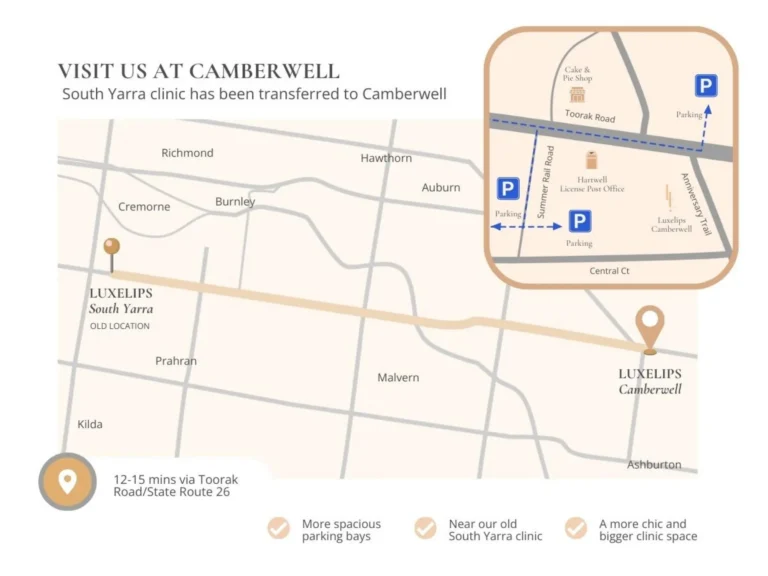
When you’re ready, you can schedule a session to discuss your next steps at our Moonee Ponds, Camberwell, or Brighton cosmetic clinic.
Healing timeline
What is normal vs what warrants a call
Normal (no need to worry)
- ✓Bruising at both the blood draw site and injection sites (can last 5–10 days)
- ✓Swelling at injection sites, peaking at 24–48 hours
- ✓Tenderness or mild pain at injection sites and blood draw site
- ✓Firmness or small lumps under the skin at injection points (usually settles within a few days)
- ✓Mild headache on the day of treatment
These symptoms reflect the expected healing trajectory. PRF involves both a blood draw and multiple injections, so bruising at more than one site can occur.
Contact the clinic promptly if you experience
- !Swelling that continues to increase beyond 48 hours
- !Severe or worsening pain that is not relieved with simple pain relief such as paracetamol
- !Redness, warmth, or pus at the injection sites suggesting possible infection
- !Hard, painful lumps that do not soften over the first week
- !Bruising at the blood draw site that spreads significantly or is accompanied by numbness
Seek Urgent Care Immediately
- ⚠Signs of infection: spreading redness, warmth, pus, fever, or red streaking from any injection site
- ⚠Severe allergic reaction (rare with autologous treatment but seek care for difficulty breathing, widespread hives, or throat swelling)
- ⚠Loss of vision or sudden visual changes (very rare — seek emergency care immediately)
Contact the Luxe Lips clinic immediately for any concerning symptoms. For life-threatening emergencies, call 000.
Your follow-up appointment
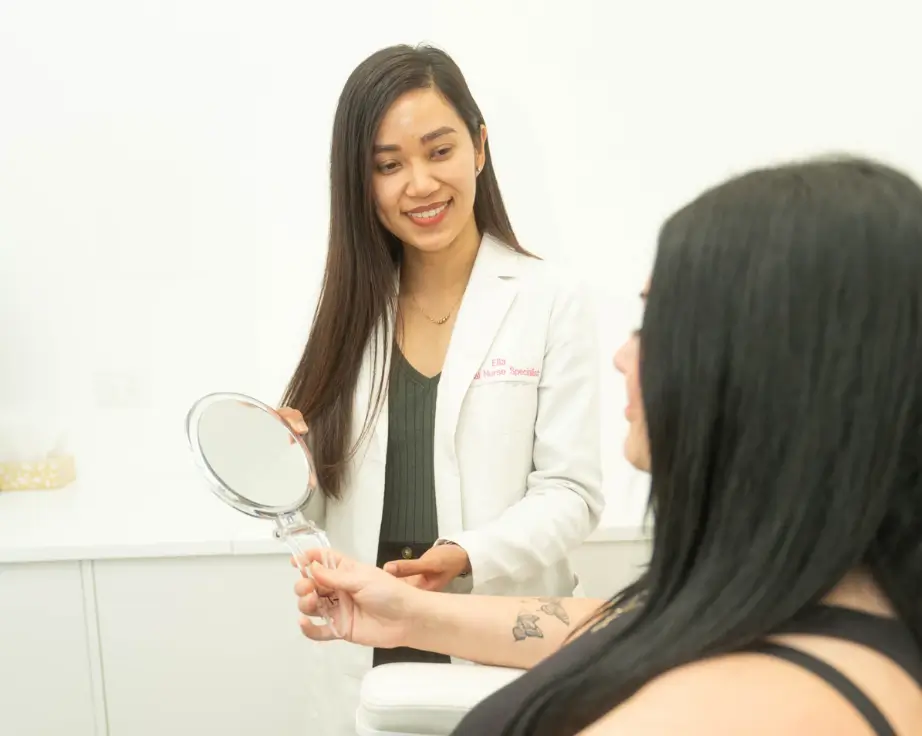
A review appointment is typically scheduled 2–4 weeks after your PRF treatment. This allows your practitioner to assess the early response and plan the timing of subsequent sessions.
Changes following PRF treatment may develop gradually, so it is important to attend the follow-up appointment even if you are unsure whether you have noticed any changes yet. Early changes may be subtle and may be easier for your practitioner to assess during review.
Photographs may be compared over time to document your treatment course.
If you are ready to discuss your treatment plan, book your consultation now.
Common questions about PRF treatment aftercare
Does PRF hurt?
The blood draw feels similar to a standard blood test. The facial injections involve fine needles and are generally well tolerated. A topical numbing cream or local anaesthetic may be used depending on the treatment area. Most patients describe the discomfort as mild to moderate.
How long does bruising last after PRF?
Bruising varies between individuals. Facial bruising often settles within 5–10 days. Under-eye bruising may take slightly longer. Arnica cream and avoiding blood thinners are sometimes used to support bruising recovery.
Can I wear makeup after PRF injections?
Wait at least 24 hours before applying makeup to the treated area. After that, mineral or non-comedogenic makeup is fine. Ensure all brushes and sponges are clean.
What areas can PRF treat?
Common treatment areas include the under-eyes, cheeks, jawline, neck, décolletage, and scalp. Your practitioner will advise which areas may be suitable based on your individual assessment.
Why do I need to avoid ibuprofen before PRF?
NSAIDs such as ibuprofen can affect platelet activity, which is why they are usually avoided before PRF treatment.Taking these medications before treatment may affect the PRF preparation used during the procedure. Paracetamol is commonly used as an alternative for pain relief during this period.
Will I need time off work after PRF?
Most patients can return to work the next day, though visible bruising and mild swelling should be expected. If your work involves client-facing interactions and bruising concerns you, consider scheduling the treatment before a weekend or quieter period.
Can PRF be combined with other treatments?
PRF may be combined with microneedling in the same session as part of a combined treatment approach – microneedling creates temporary micro-channels in the skin, and some practitioners incorporate PRF during this procedure as part of a combined treatment plan. PRF can also be sequenced alongside bioremodelling, energy-based devices, and dermal filler as part of a comprehensive, staged treatment plan tailored to your individual goals.
What is the difference between PRF and PRP?
PRF (platelet-rich fibrin) and PRP (platelet-rich plasma) are both derived from your own blood and are used in platelet-based aesthetic treatments. PRF and PRP are prepared using different centrifuge protocols, which produce preparations with slightly different characteristics. PRF has a gel-like consistency that allows it to remain in the treated area for a period after injection, and preparation does not typically require anticoagulant additives during processing.
How many PRF sessions are usually recommended?
How many PRF sessions are usually recommended?
A series of three to four PRF sessions spaced three to four weeks apart is commonly recommended as part of a staged treatment plan. After the initial series, maintenance sessions every six to twelve months may be considered by your medical professional.
When will I see results from PRF treatment?
Changes following PRF treatment may develop gradually over time. Some patients begin to notice changes in skin appearance within two to three weeks. Further changes in the treated area may become more noticeable over the following weeks. Treatment plans often involve multiple sessions spaced over time.
How long do PRF results last?
The duration of visible changes varies between individuals and depends on factors such as the treatment area, skin characteristics, and lifestyle factors.
Many treatment plans include maintenance sessions every six to twelve months to support ongoing skin quality as part of a longer-term aesthetic plan.
Is PRF safe?
Because PRF uses your own blood and contains no synthetic additives, the risk of allergic reaction is generally considered low. However, it is still a medical procedure involving a blood draw and injections. The main risks are bruising, swelling, tenderness, and the small possibility of infection. Your practitioner will discuss the full risk profile with you before treatment.
Your Next Step
If you have questions about your recovery, would like to discuss your aftercare, or are ready to book a follow-up appointment, the Luxe Lips clinical team is here to support you with clarity and care.
Your Luxe Lips Cosmetic Team

Dermal Clinician
Qualified Dermal Clinician, Bachelor of Dermal Sciences. Experience across skin treatments, laser and light technologies, with clinical precision from a background in pathology collection.

AHPRA: NMW0004024849
St. Luke’s Medical Center trained with a leadership background in advanced care. Focused on natural-looking, subtle results that celebrate each client’s unique features.

AHPRA: NMW0004060728
Registered Nurse with a Bachelor of Nursing and placements across surgical, aged care, mental health, and renal. Meticulous cosmetic nurse with a listening-first approach and time given at every step.

AHPRA: NMW0004017121
3+ years in high-acuity intensive care, Cum Laude nursing honours, and a Shining Star Award for patient care. Steady, patient-first approach with treatments tailored to your goals.

AHPRA: NMW0002779008
Master of Nursing Science (UniMelb), Royal Children’s Hospital. Former fashion industry background gives her a strong aesthetic eye for natural-looking results.

AHPRA: NMW0001759171
Practicing nursing since graduating in 2006, with experience at Royal Children’s Hospital. Master’s in Advanced Nursing Practice (Melbourne University), offering a holistic, patient-focused approach.

Dermal Clinician
Dermal Clinician with an Associate Degree in Applied Health Science (Distinction) and Diploma of Beauty Therapy. Warm, intuitive approach with plans tailored to each client’s skin and goals.

AHPRA: NMW0002001199
Surgical nurse background at Epworth Hospital. ED and HDU experience at Sandringham Hospital. Passionate about building client relationships and natural results.

AHPRA: NMW0004081704
Registered Nurse with years in Neuro Critical Care and Surgical ICU, Magna Cum Laude and Class Valedictorian nursing graduate. Thoughtful, listening-first approach tailored to your goals.

AHPRA: NMW0002837303
Registered nurse with experience in surgery, aged care in Queensland Health. Brings clinical precision and a personalised approach to enhance natural features.

DERMAL CLINICIAN
Certified Dermal Clinician, Bachelor of Applied Health Science (Clinical Aesthetics). 5+ years’ experience in skin and aesthetic treatments, specialising in acne, pigmentation, and rejuvenation.

Dermal Clinician
Dermal Clinician with an Associate Degree (Dermal Therapy) and Diploma of Beauty Therapy, completing a Bachelor in Clinical Aesthetics. Curious, considered approach to every skin plan.
PRF Treatment aftercare support at Luxe Lips
Post-treatment support is part of the service at Luxe Lips. A 24/7 medical professional is available to answer queries after your appointment. If you have a concern about your healing, regardless of the time, call the clinic and press 1 to alert the team to a medical concern relating to your procedure.
If something concerns you before your follow-up, do not wait. Contact the clinic directly. For appointments, consultations, or general enquiries, visit luxelips.com.au or call the clinic during business hours.
Medical Disclaimer
The information on this page is intended as general guidance for patients who have received prf treatment at Luxe Lips. It does not constitute medical advice. Every individual is different, and recovery experiences vary. If you are concerned about any aspect of your recovery, contact the Luxe Lips clinic directly rather than relying solely on this page. For urgent medical concerns unrelated to the procedure, contact your GP or call 000. Individual results may vary. No guarantee of specific outcomes is expressed or implied.
References
- Miron RJ, Fujioka-Kobayashi M, Hernandez M, et al. “Injectable platelet rich fibrin (i-PRF): opportunities in dentistry.” Clinical Oral Investigations. 2017;21(8):2619-2627.
- Dohan DM, Choukroun J, Diss A, et al. “Platelet-rich fibrin (PRF): a second-generation platelet concentrate.” Oral Surgery, Oral Medicine, Oral Pathology. 2006;101(3):e45-e50.
- Hersant B, SidAhmed-Mezi M, La Padula S, et al. “Use of platelet-rich plasma (PRP) in microsurgery.” Journal of Stomatology, Oral and Maxillofacial Surgery. 2018;119(3):236-239.
- Therapeutic Goods Administration (TGA). “Regulation of autologous cell and tissue therapies in Australia.” Australian Government Department of Health.
- Vesala AM et al. (2021). Microneedling with injectable platelet-rich fibrin for facial rejuvenation. Plastic and Aesthetic Research, 8, 53.
- Weinkle SH et al. (2018). Impact of comprehensive, minimally invasive, multimodal aesthetic treatment on satisfaction with facial appearance: The HARMONY Study. Aesthetic Surgery Journal, 38(5), 540-556.
- Hoffman L, Fabi S. (2022). Look better, feel better, live better? The impact of minimally invasive aesthetic procedures on satisfaction with appearance and psychosocial wellbeing. The Journal of Clinical and Aesthetic Dermatology, 15(5), 47-58.
- Baranska-Rybak W, Antoszewska M. (2021). Combination of hyaluronic acid fillers and personalised skincare as a perfect tool in aesthetic medicine. Dermatology and Therapy, 34(5), e15092.