Key takeaways
- The Russian lip technique involves placing small amounts of product vertically through the centre of the lips to support height and shape around the Cupid’s bow, rather than focusing on outward volume.
- The technique focuses on lip structure and contour. Outcomes vary depending on natural anatomy, lip movement, and how each individual responds to treatment.
- A personalised assessment with a qualified medical professional is required to determine whether this technique is appropriate for your features and treatment goals.
If you have ever typed how does russian lip technique work into a search bar, you are in the right place. This beginner friendly breakdown will show you what injectors aim to do, and why the results can appear lifted at the center with a crisp Cupid’s bow.
In this blog, we will unpack the method step by step. You will learn how lip anatomy guides placement, what makes this approach different from classic technique, and the role of micro droplets placed vertically to build height rather than width.
By the end, you will understand the logic behind each move, so you can discuss the look clearly with a qualified provider.
How does russian lip technique work in practice
The Russian lip treatments use tiny, vertically placed micro-droplets of material to add height and definition, especially through the centre of the lips and the Cupid’s bow, rather than pushing volume outwards.
By building structure in this way, the top lip can look a touch taller and crisper, while the side profile stays relatively flat, which helps avoid that pushed-out look.
Sessions can take a bit longer than classic volumising approaches, with some people finding it slightly more tingly or stingy. The goal is clean edges, a softly lifted Cupid’s bow, and a shape that holds when you smile, not a bigger mouth for the sake of it.
Why it can appeal for those looking for subtle definition
Because the technique focuses on height and contour, not sheer size, it can suit those with a flatter Cupid’s bow, a thinner upper lip, or lips that tend to roll under on smiling.
However, it’s important to remember that it’s still a medical procedure with familiar risks such as bruising, swelling, and the possibility of migration if placement is poor.
Maintenance is not instant either. Changes from this kind of treatment may need follow-ups, often somewhere in the 6 to 12 month range depending on factors like metabolism and product choice.
This is why booking a consultation is important. A medical professional can help map your proportions, talk through risks and downtime, and decide whether definition-led shaping or a different approach makes the most sense for you.
The vertical technique and tools used
Instead of fanning the material across the lip to create sideways projection, the clinician places tiny micro-droplets in vertical lines from the wet-dry junction up toward the vermilion border. Many practitioners work at roughly a mid-angled approach to encourage lift and definition rather than bulk.
Sessions can take a little longer and feel sharper, so clinics often use topical anaesthetic or a dental block. For a technical overview of vertical placement and angles, see this case paper describing vertical placement and angles.
A structured approach to lip shape
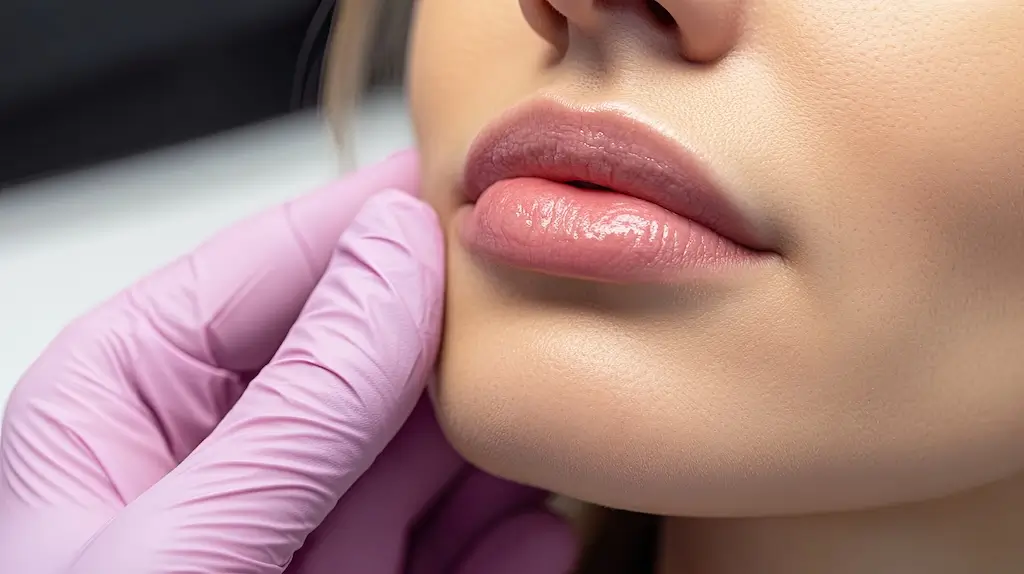
With this technique, placement is thoughtfully guided by your natural lip structure. Particular attention may be given to areas such as the Cupid’s bow and the centre of the lip to support overall balance and proportion, depending on your individual anatomy.
Volume isn’t distributed evenly across the lip. It’s carefully considered. Some areas may require less support to maintain softness and avoid an overfilled appearance, while others may be approached more conservatively to preserve natural movement.
Throughout the appointment, your practitioner will assess symmetry, facial movement, and how your lips respond at rest and when smiling. Every plan is tailored, with consideration given to both treatment approach and lip enhancement aftercare to support how your lips respond over time.
As with all cosmetic aesthetic treatments, results vary between individuals. A consultation with a medical professional is required to determine suitability.
Considerations before opting for the technique
Questions to ask in a consultation
Before deciding on any lip enhancement treatment in Melbourne, a thorough consultation is essential. During this appointment, your clinician will assess your lip anatomy, smile pattern, tooth show, and overall facial balance to determine what may be appropriate for you.
The Russian lip technique is often described as focusing on vertical structure rather than outward projection. Whether this approach is suitable depends on your natural anatomy, movement patterns, and treatment goals.
Some helpful questions to explore during consultation include:
- Am I an appropriate candidate for this style of lip shaping?
- Would a different approach better suit my anatomy?
- How will treatment be planned, and might it be staged over multiple appointments?
- What level of swelling or bruising may occur, and how long could settling take in my case?
- What are the potential risks, including rare but serious complications such as vascular events?
- What protocols are in place if a complication occurs, including access to appropriate medical management and follow-up care?
Every treatment plan should prioritise safety, conservative assessment, and individual suitability. Outcomes vary between individuals, and a consultation with a medical professional is required to determine suitability.
Make sure the look matches personal goals
If your goal is a noticeable increase in volume, or if your lips have minimal natural height to begin with, an alternative approach — or a staged treatment plan — may be discussed during consultation. Factors such as bite relationship, lip length, and how the upper lip moves when smiling can all influence what is suitable.
Treatment planning takes movement and proportion into account, but outcomes depend on individual anatomy and response. What works well for one person may not be appropriate for another.
Maintenance is also part of the broader discussion. Cosmetic aesthetic treatments are temporary, and ongoing appointments may be required to maintain results. Your practitioner can talk through expected timeframes, variability, and long-term planning during consultation.
For those still exploring how this technique translates in real life, assessment of your lips at rest and in motion during consultation can help determine whether this style of shaping aligns with your overall facial harmony.
What to expect during a consultation
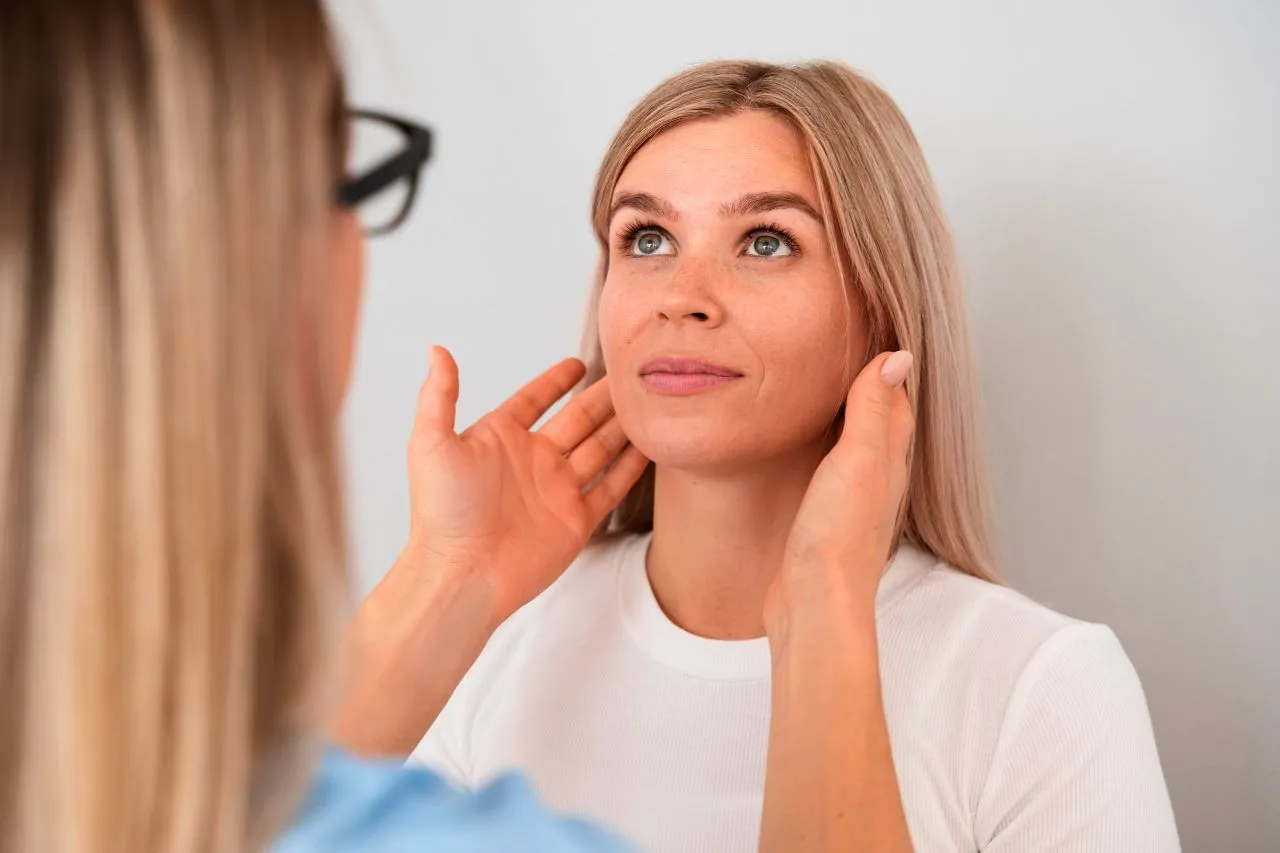
People often ask how does russian lip technique work, but the consult is where the plan is built. A clinician will look at lip shape at rest and on movement, tooth show, smile pattern, vermilion height, philtrum length, and the balance between upper and lower lip. They will check skin quality around the mouth, hydration, and any signs of previous filler or migration.
Clinics like Luxe Lips emphasise 1:1 time to set a tailored plan, and outline options and staging rather than forcing everything into one sitting.
Then comes the goals chat. Some want a crisper Cupid’s bow without added width, others want height through the centre to help stop the top lip tucking under when they smile.
The practitioner will translate that into technique, product rheology, and session timing, explaining likely swelling, bruising, and the small but real risk of filler moving over time. These sessions can take a little longer than standard lip filler because of the precision and stop start checks, and some people report a sharper sensation despite numbing.
A recent analysis suggests satisfaction is higher when the technique is matched to the right anatomy, which is exactly what a careful assessment aims to do.
Expect a conversation about medical history, cold sores, pregnancy or breastfeeding, and any medications that affect bleeding.

Considering a consultation at Luxe Lips
Our cosmetic clinics in Melbourne provide individual consultations to assess facial proportions, lip anatomy, and overall treatment suitability. Planning is based on personalised assessment rather than a standardised volume approach.
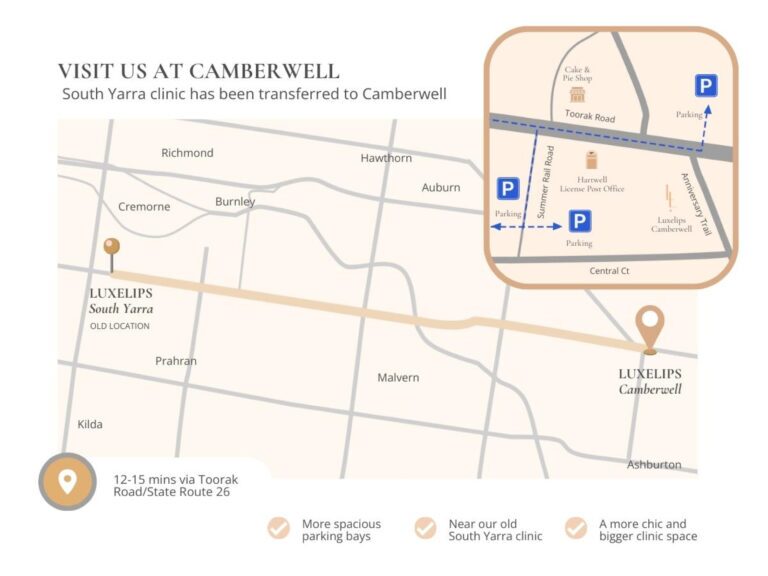
For those seeking information tailoured to their individual anatomy and preferences, a consultation in our Camberwell, Moonee Ponds, or Brighton clinic can offer an opportunity to ask questions, explore options, and determine suitability in a structured and supportive setting.
As with all cosmetic aesthetic treatments, outcomes vary between individuals. A consultation with a medical professional is required to determine suitability.
Common questions about russian lip technique
Different lip treatment approaches vary in how structure and volume are distributed within the lips. The Russian lip technique is often described as focusing on vertical structure and definition, while more traditional approaches may distribute volume differently depending on the desired shape.
The most appropriate technique depends on your natural lip anatomy, facial proportions, and personal preferences. During consultation, your practitioner will assess which approach — if any — aligns with your individual features and treatment goals.
As with all cosmetic aesthetic treatments, outcomes vary between individuals. A consultation with a medical professional is required to determine suitability.
The Russian lip technique is a style of lip treatment that focuses on shaping and structure rather than simply increasing overall volume. It is often described as concentrating on the central lip and Cupid’s bow to support definition and proportion.
How the product is placed and distributed depends on individual anatomy, lip movement, and treatment goals. The technique may differ from more traditional approaches in how shape and balance are prioritised.
The Russian lip technique is one of several approaches to lip shaping. It is sometimes considered by individuals who prefer a more structured lip appearance rather than an emphasis on overall volume.
Whether this technique is appropriate depends on factors such as natural lip anatomy, facial proportions, and how the lips move when smiling. What may suit one person may not be suitable for another.
A personalised consultation with a medical professional is essential to assess individual characteristics and determine whether this or another approach aligns with your treatment goals.
As with any cosmetic aesthetic treatment, there are potential risks. Common short-term effects may include swelling, bruising, tenderness, or asymmetry while the area settles. Less common but more serious complications — such as vascular events — can occur and should always be discussed during consultation.
Longevity varies between individuals. Factors such as anatomy, lifestyle, and individual response can influence how long results are maintained. Ongoing appointments may be required if someone chooses to maintain their lip shape over time.
During consultation, your clinician will assess personal risk factors, explain potential complications, and outline appropriate aftercare and follow-up protocols.
A consultation is an opportunity to assess your lip anatomy, smile pattern, facial proportions, and overall suitability for treatment. Your practitioner should take time to understand your preferences, explain potential approaches, and outline possible risks.
Some helpful questions to explore include:
Based on my anatomy, is this technique appropriate for me?
What are the potential risks and expected recovery considerations?
How would treatment be planned — and might it be staged?
What protocols are in place if a complication occurs?
What aftercare and follow-up arrangements are recommended?